2ct Oval Diamond Ring Breakdown: Cut, Ratio, and Carat Value
What to Look for in a 2ct Oval Diamond Engagement Ring
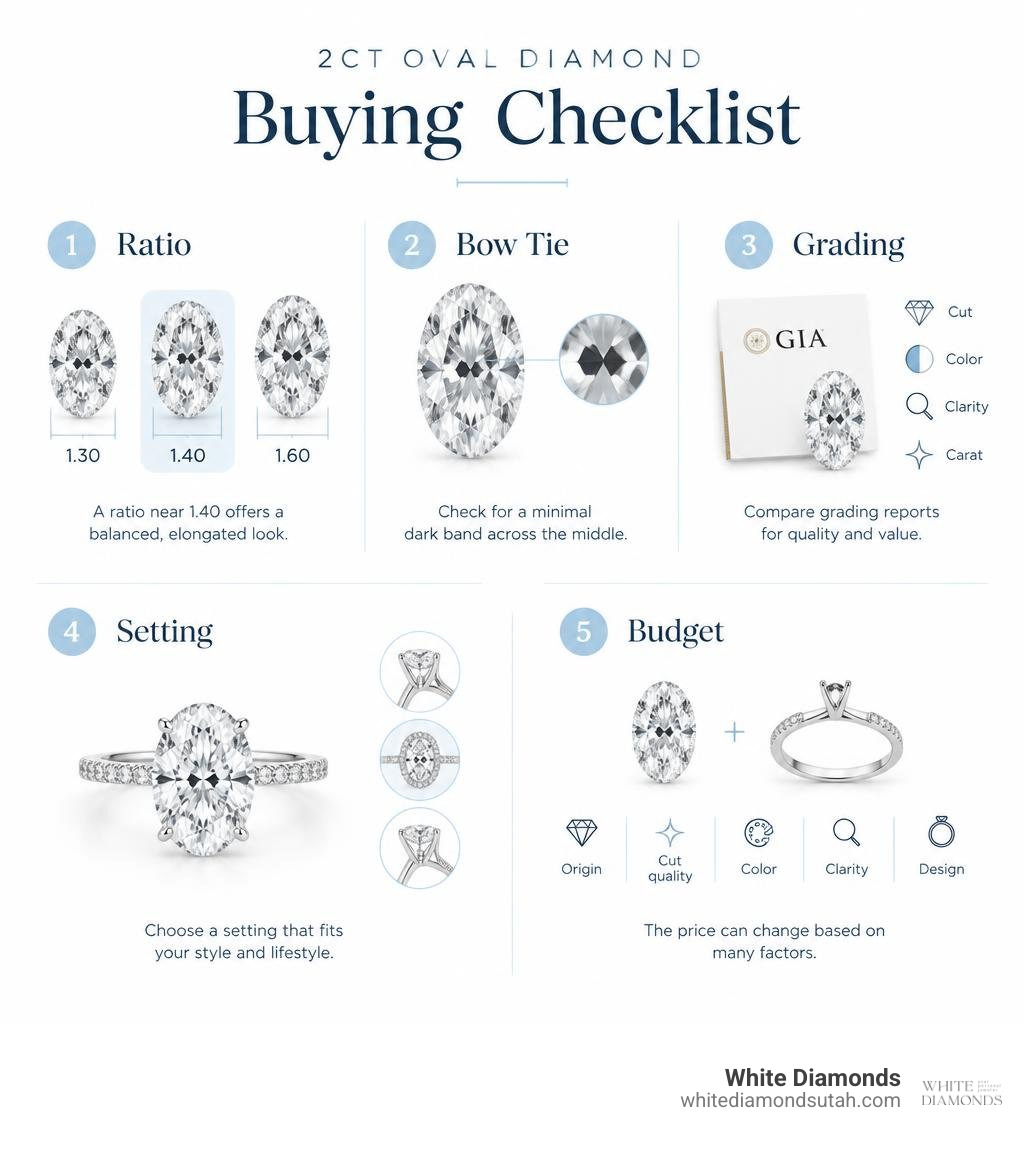
A 2ct oval diamond engagement ring offers a large-looking center stone with an elongated shape. Start by looking at the diamond in person or on video: choose a shape you like, check that both sides look even, and watch for a dark band across the middle called a bow tie. A length-to-width ratio near 1.40 gives a balanced, elongated look, but your preference matters more than a single number.
Then compare grading reports and settings within your budget. The ring's price can change substantially with the diamond's origin, cut quality, color, clarity, and design.
We're White Diamonds, a Utah custom jeweler with experience designing engagement rings and wedding bands. We help you explore a 2ct oval diamond engagement ring through pressure-free consultations and model rings, so you can decide what works for your budget and timeline.
Understanding Oval Dimensions: Visual Size and Length-to-Width Ratios
The oval cut has surged in popularity by over 30% in engagement ring searches over recent years, and for good reason. First developed in the 1960s by master cutter Lazare Kaplan, the modern oval cut combines the fire and brilliance of a classic round diamond with an elongated silhouette that flatters the hand.
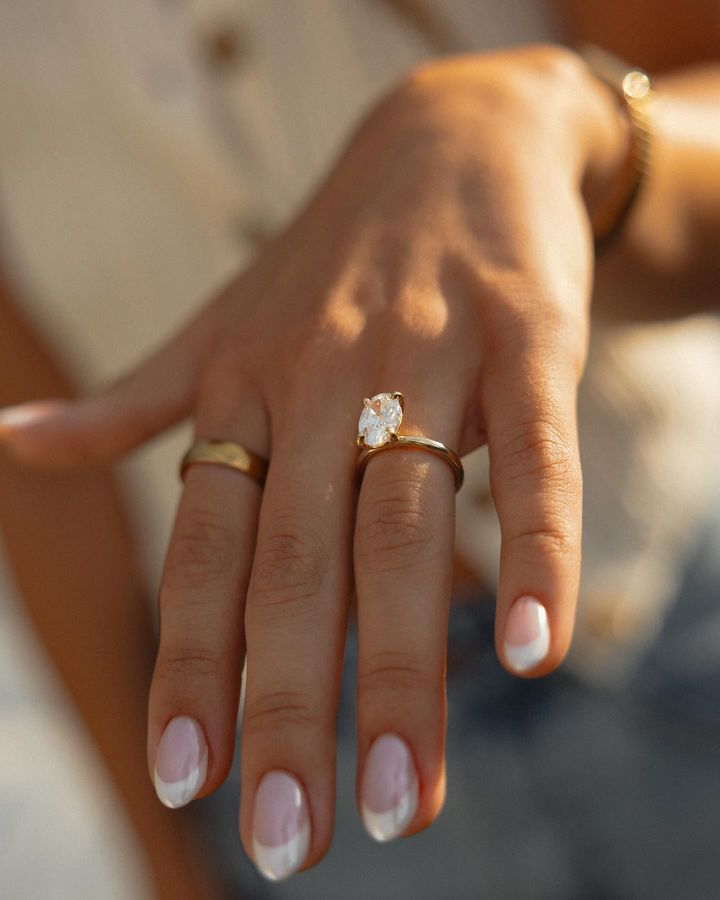
One of the greatest advantages of an oval diamond is its surface area efficiency. Because an oval distributes its carat weight across an elongated table rather than concentrating it deeply in the pavilion, it can appear 10% to 15% larger than a round brilliant stone of identical carat weight. When evaluating carat size on finger, a 2-carat oval delivers substantial presence without requiring the heftier investment of a 2.5-carat or 3-carat stone.
The visual profile of your stone depends heavily on its length-to-width (L/W) ratio. This simple ratio determines whether your diamond leans toward a softer, wider look or a slender, finger-lengthening outline. For a comprehensive overview of how oval proportions influence ring design, explore our oval diamond ring guide alongside the Oval Cut Diamond Buying Guide | Key Factors & Things to Consider | GIA 4Cs.
| Oval L/W Ratio Range | Silhouette Description | Visual Character on the Finger |
|---|---|---|
| 1.30 – 1.34 | Wide / "Chubby" Oval | Fuller coverage across the finger; softer curves |
| 1.35 – 1.45 | Classic Oval | Balanced elongation; universally flattering profile |
| 1.46 – 1.55+ | Elongated Oval | Sleek, slender look; maximum vertical finger coverage |
Length-to-Width Ratio Breakdown (1.30 to 1.50)
Most 2-carat oval diamonds fall within a length-to-width ratio between 1.30 and 1.50. Finding the best ratio comes down to personal taste and hand proportions:
- Classic 1.40 Ratio: The 1.40 ratio represents the sweet spot for many ring buyers. It strikes an ideal balance, neither appearing too wide nor too narrow. It creates an elegant silhouette that naturally elongates the wearer's finger while maintaining strong light return across the entire stone.
- Wider Ovals (1.30 – 1.35): These stones offer a rounded appearance with broad curvature. They provide wide horizontal finger coverage and work nicely in vintage-inspired or bezel settings.
- Elongated Ovals (1.45 – 1.50+): These diamonds feature a narrow outline that maximizes vertical length. They pair beautifully with delicate solitaire bands or accent side stones.
When inspecting ratios, always verify symmetry. The oval should have smooth, continuous curves without flattened sides (called flat shoulders) or asymmetrical bulges.
Evaluating the Bow-Tie Effect in Oval Cuts
Every elongated fancy cut—including ovals, pears, and marquise shapes—produces a degree of light extinction across the center of the gem, commonly known as a bow tie. This shadow pattern occurs when light passes straight through the diamond rather than reflecting back to the viewer's eye.
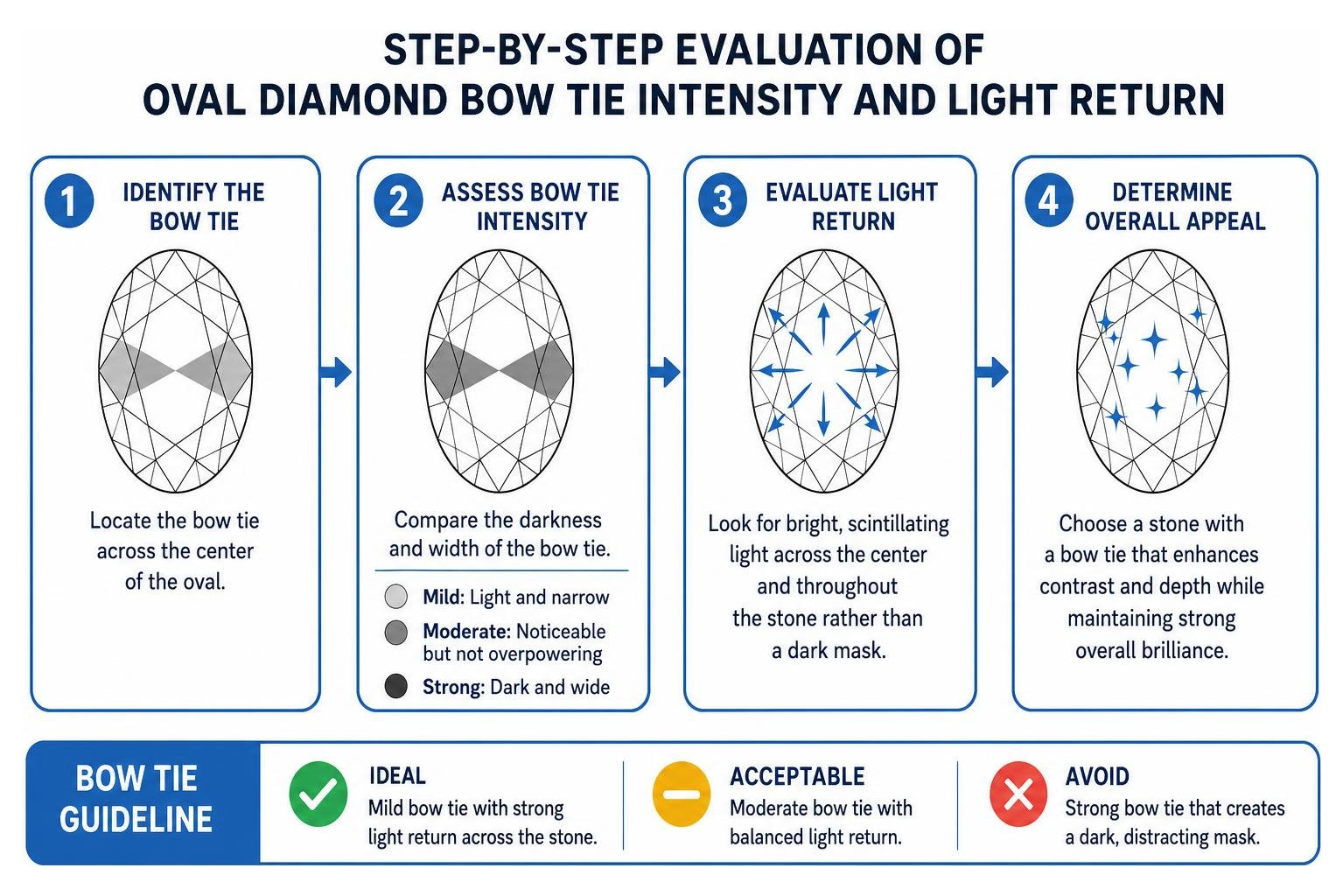
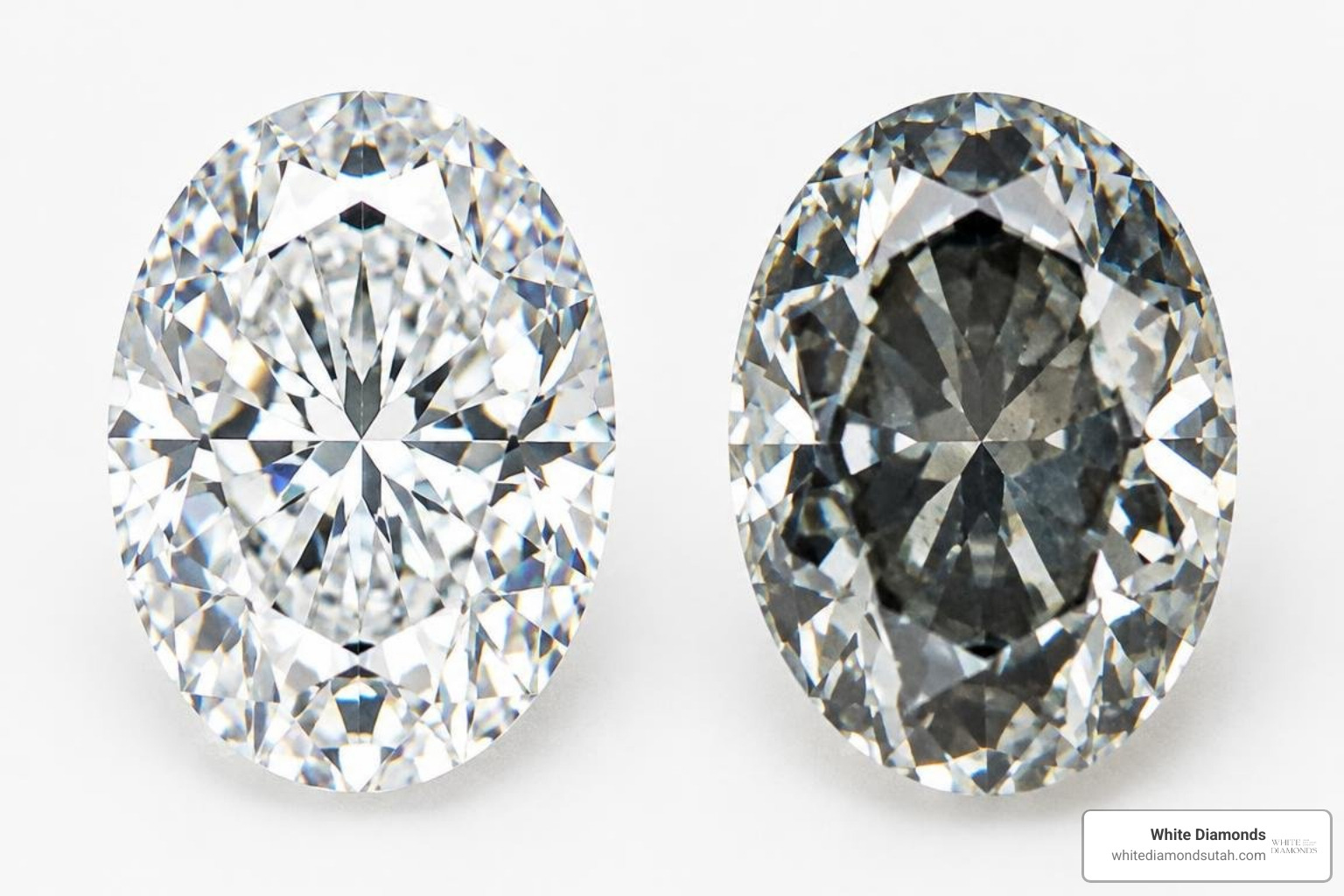
A mild bow tie is completely normal and gives an oval diamond contrast and depth. However, an overly prominent, dark bow tie can diminish brilliance across the midsection. When choosing your stone, look for facet patterns that reflect bright, scintillating light across the center rather than creating a heavy, distracting dark mask.
The 4Cs of a 2ct Oval Diamond: Cut, Color, Clarity, and Carat
Understanding how the 4Cs apply specifically to fancy shapes will help you get the best appearance for your investment. For foundational guidance, check our comprehensive engagement ring shopping guide.
Selecting the Ideal Cut and Ratio for a 2ct Oval Diamond Engagement Ring
Unlike round brilliant diamonds, independent laboratories like the GIA do not assign an overall cut grade (such as "Excellent" or "Very Good") to oval diamonds. Instead, the grading report details polish, symmetry, table percentage, and depth percentage.
To ensure optimal brilliance and fire in your center gem, aim for these target proportions:
- Depth Percentage: 58% to 63% (delivers great light return while avoiding a bottom-heavy stone)
- Table Percentage: 53% to 63%
- Polish & Symmetry: Excellent or Very Good
- Girdle Thickness: Very Thin to Slightly Thick (avoid extremely thin girdles that risk chipping)
Color and Clarity Recommendations for 2-Carat Stones
Because a 2-carat diamond has a broad table and larger open facets, color tints and internal inclusions are easier to notice than in smaller stones:
- Color Grades: Oval diamonds tend to concentrate body color near their rounded tips. To achieve a bright white appearance set in platinum or white gold, aim for the F, G, or H range. If you are choosing yellow gold or rose gold metalwork, an I or J color grade looks warm and bright while offering great budget value.
- Clarity Grades: An eye-clean VS2 or SI1 clarity grade offers an exceptional balance of purity and cost efficiency. With an eye-clean stone, internal inclusions remain invisible to the naked eye under normal viewing conditions, allowing you to avoid paying a steep premium for high-clarity grades like VVS1 or FL.
Price Factors and Value: Lab-Grown vs. Natural 2ct Ovals
When selecting a luxury center stone, buyers can choose between mined natural diamonds and lab-grown stones. Both are genuine diamonds with identical chemical, physical, and optical properties. To learn more about how they differ, review our detailed lab vs mined diamonds analysis.
The average cost of a 2-carat oval diamond engagement ring generally ranges from $8,000 to $20,000+ for natural diamonds, depending on cut quality, color grade, and clarity. Lab-created options offer the same visual appearance at a significantly lower entry price.
Pricing Breakdown for a 2ct Oval Diamond Engagement Ring
| Diamond Type | Typical Color / Clarity Range | Average Price Range (Setting Included) | Key Advantage |
|---|---|---|---|
| Natural Mined | H–I / SI1–VS2 | $8,000 – $14,000 | Rare geological origin; strong heirloom appeal |
| Natural Premium | D–F / VVS2–VS1 | $14,000 – $22,000+ | High purity and whiteness in a natural stone |
| Lab-Grown | E–G / VS1–VS2 | $1,800 – $4,200 | Maximum size and clarity within a modest budget |
Comparing Lab-Created and Mined Diamond Value
Choosing between lab-grown and mined diamonds comes down to what you prioritize:
- Lab-Grown Diamonds: Created using HPHT (High Pressure High Temperature) or CVD (Chemical Vapor Deposition) technology, lab stones provide full diamond hardness and sparkle. They allow you to select high cut, color, and clarity grades while preserving budget for an elaborate custom setting.
- Mined Diamonds: Formed deep in the earth over billions of years, mined diamonds carry timeless tradition and rarity. Natural stones remain a popular selection for luxury heirlooms.
Best Setting and Band Styles for a 2ct Oval Diamond Engagement Ring
Selecting the right setting protects your diamond while accentuating its elongated shape. Explore our engagement ring styles guide for inspiration.

Solitaire and Hidden Halo Settings
- Classic Solitaire: A four-prong or six-prong solitaire remains the most timeless way to feature a 2ct oval stone. Four prongs keep the stone's outline open and visible, while six prongs offer extra security for an active lifestyle.
- Hidden Halo Accents: A hidden halo wraps micro-pavé diamonds around the base of the center stone's basket. This adds brilliant side-profile sparkle without cluttering the clean top-down view of the oval.
Three-Stone and Bezel Band Designs
- Three-Stone Settings: Pairing a 2-carat oval center with tapered baguettes, pear side stones, or half-moons creates a balanced, tapered look across the finger.
- Modern Bezel Bands: A custom bezel frames the oval in a thin rim of gold or platinum, delivering a smooth, contemporary profile that prevents prongs from catching on clothing.
For unique arrangements, our custom ring design process allows you to tailor every design detail to your personal style.
Long-Term Care, Maintenance, and Sourcing Ethics
To preserve the beauty and structural integrity of your 2ct oval ring:
- Routine Cleaning: Soak your ring weekly in warm water with mild liquid dish soap, then gently brush around the basket and under the table using a soft-bristled baby toothbrush. Rinse thoroughly with clean water and dry with a lint-free cloth.
- Professional Inspections: Have your ring inspected by a professional jeweler at least once every six months to check prong tension and ensure the center diamond remains securely seated.
- Responsible Sourcing: Make sure your mined diamond is certified under the Kimberley Process and backed by independent grading documentation (such as GIA or IGI).
Frequently Asked Questions About 2-Carat Oval Rings
How big does a 2ct oval diamond look on a finger?
A typical 2ct oval diamond measures roughly 10 mm by 7 mm, depending on its length-to-width ratio. Because of its elongated cut and shallow carat distribution, it often presents a visual footprint 10% to 15% larger than a 2-carat round brilliant diamond, providing generous finger coverage.
What is the most flattering ratio for an oval diamond?
Most buyers find ratios between 1.35 and 1.45 to be the most balanced and flattering. This range provides an elongated silhouette that slenders the hand while maintaining symmetrical curvature and lively sparkle.
Does a 2ct oval diamond cost more than a 2ct round diamond?
No. Oval diamonds generally cost 10% to 25% less per carat than round diamonds of comparable quality. Oval cutters retain more of the raw rough diamond during shaping, and those material savings are passed directly to the buyer.
Conclusion
A 2ct oval diamond combines classic sparkle, finger-flattering proportions, and impressive visual presence. By focusing on balanced ratios, clean clarity grades, and secure settings, you can design a ring you'll love for a lifetime.
At White Diamonds, we believe ring shopping should be an enjoyable, pressure-free experience. Located in Ogden, Utah, our custom design specialists work directly with you—using accurate model rings and transparent guidance—to create your dream ring within your exact timeline and budget.
To explore center stone proportions and minimize unwanted shadows in your design, continue reading our guide on understanding what causes the bow-tie effect in oval diamonds.