The Ins and Outs of Shopping for Engagement Rings: Styles & Prices
Start Shopping for Engagement Rings With a Clear Plan
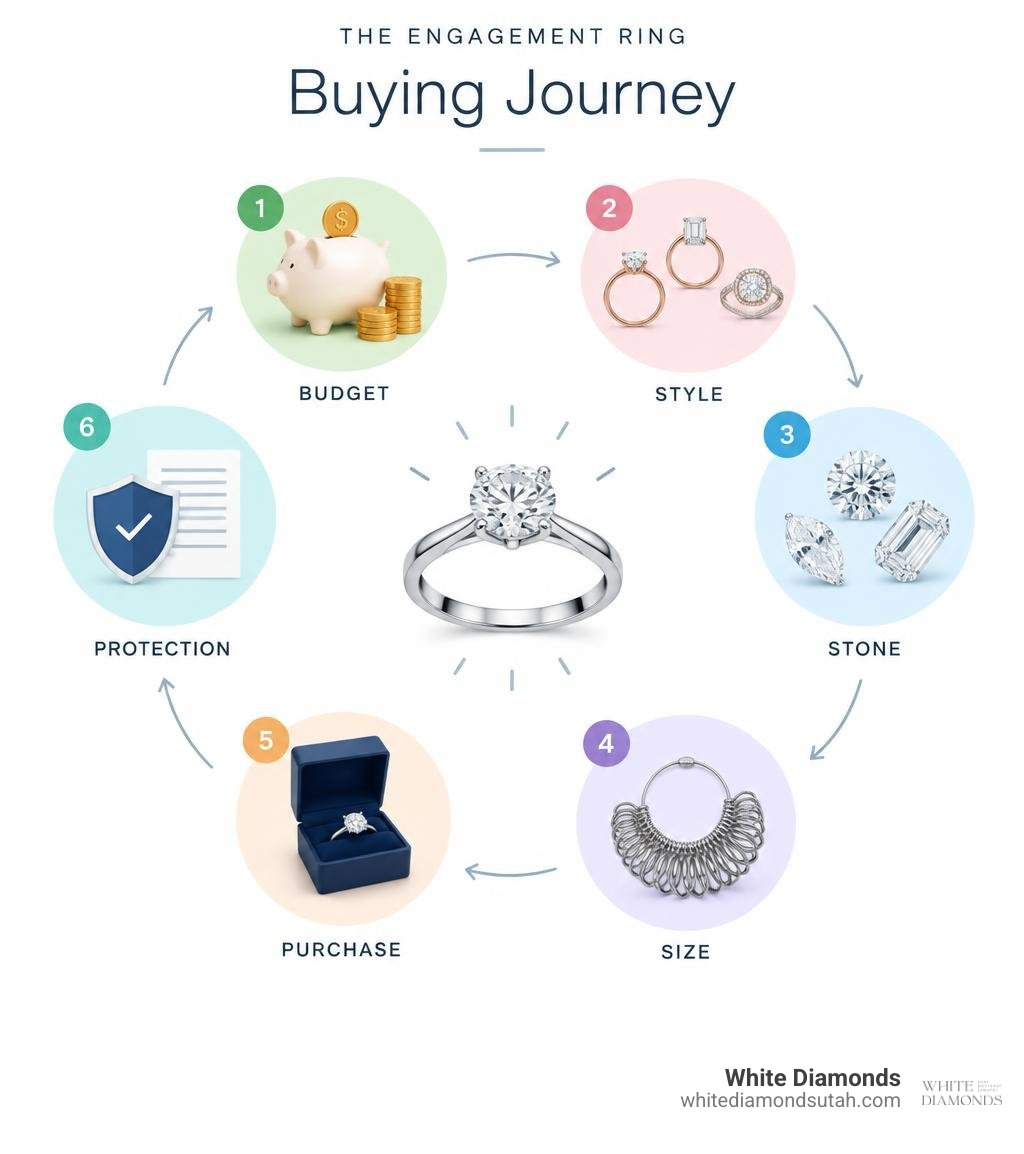
Shopping for engagement rings is easier when you set a firm budget, learn your partner's preferred style, compare center-stone options, and confirm ring size before ordering. Focus first on the details that affect daily wear and price most: the setting, metal, stone shape, diamond quality, and protections such as a return policy, warranty, and insurance.
There is no single "right" price. The average U.S. engagement ring cost is about $5,500, yet roughly one in four couples spend less than $2,000. Start with what feels comfortable, not a rule of thumb. Give yourself time, too: shoppers spend about 3.5 months on average comparing rings, and custom work can add weeks.
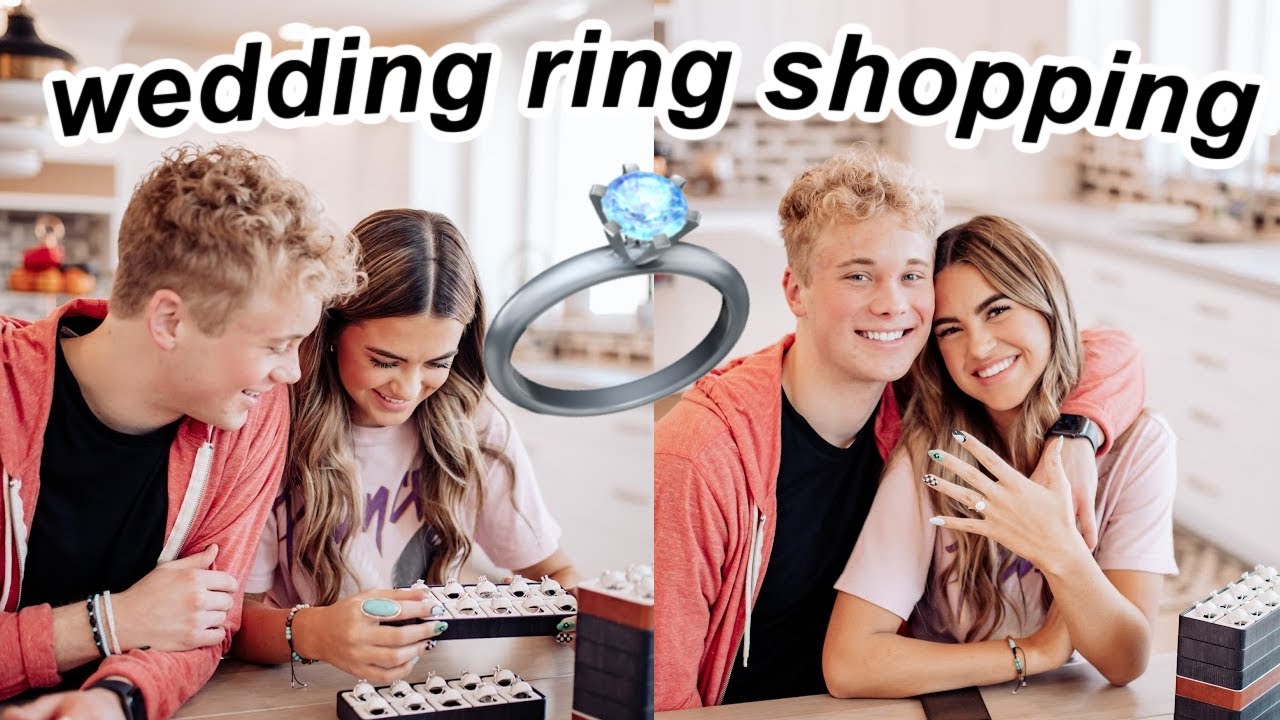
Shopping together can make the choice less stressful and more personal. It lets you narrow down styles, discuss priorities, and avoid guessing about a ring your partner will wear every day.
White Diamonds is a personal jeweler with experience crafting custom engagement rings and wedding bands, as well as caring for rings after purchase. We help make shopping for engagement rings feel clear, collaborative, and never rushed.
Essential Factors When Shopping for Engagement Rings
Beginning your search means balancing emotional significance with practical craftsmanship. When you start exploring, the sheer volume of choices can feel overwhelming. More than 60% of buyers establish a spending limit before they start looking, yet about 45% end up exceeding it. To avoid unnecessary stress, grounding your search in solid fundamentals is essential.
Figuring out how much to spend on an engagement ring comes down to your personal financial comfort rather than arbitrary old-school salary rules. Once you establish a realistic price range, you can allocate funds intelligently across the setting, metal, center stone, and custom design elements.
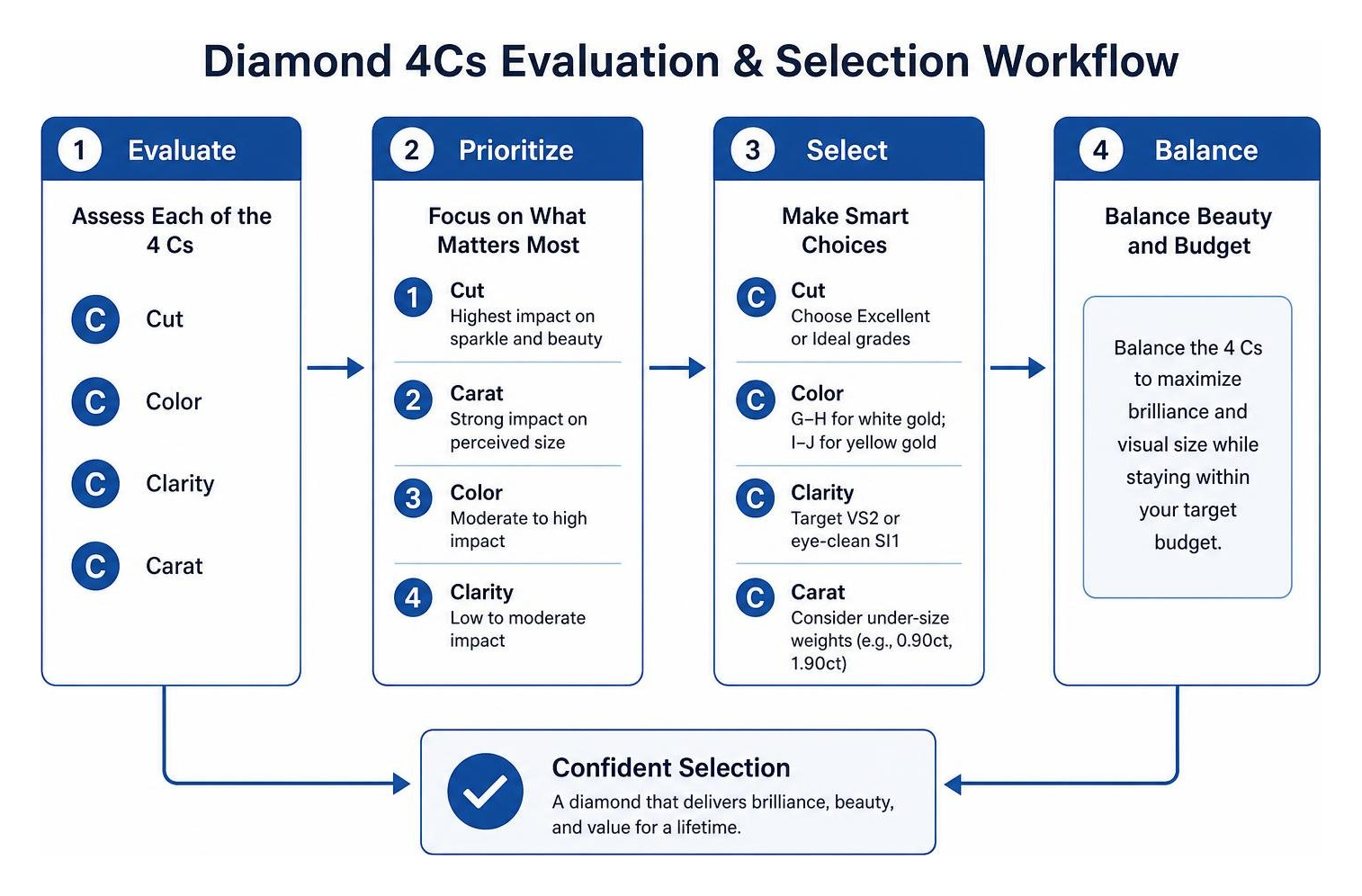
The primary cost drivers of any diamond ring involve the 4 Cs—Cut, Color, Clarity, and Carat weight. Balancing these attributes allows you to maximize visual brilliance while staying well within your target price.
| 4 C Component | Visual Impact on Ring | Price Influence | Smart Buying Strategy |
|---|---|---|---|
| Cut | Highest (governs sparkle and light return) | High | Prioritize Excellent or Ideal cut grades above all else. |
| Color | Moderate to High (apparent whiteness) | Moderate | Choose G–H for near-colorless look set in white gold; I–J for yellow gold. |
| Clarity | Low to Moderate (internal inclusions) | Moderate to High | Target VS2 or eye-clean SI1 grades to avoid paying for invisible perfection. |
| Carat | High (perceived physical size) | Exponential | Consider "under-size" weights (e.g., 0.90ct or 1.90ct) for significant savings. |
Understanding Diamond Anatomy and the 4 Cs
Every diamond acts as a miniature house of mirrors. When cut with precise mathematical proportions, light enters the crown, bounces off the pavilion facets, and exits the top table in a display of white flash (brightness) and colored sparkle (fire).
- Cut Grade: This is the single most important factor determining beauty. Even a flawless, perfectly colorless diamond will appear dull and lifeless if cut too shallow or too deep. An Excellent or Ideal cut ensures maximum light performance.
- Color Range: Rated on a scale from D (completely colorless) to Z (noticeable light yellow or brown). Diamonds in the G through J range appear brilliantly white once set in jewelry but cost significantly less than D–F stones.
- Clarity Scale: Graded from Flawless (FL) down to Included (I1–I3). Most inclusions are invisible to the naked eye in VS1, VS2, and well-vetted SI1 stones. Paying extra for internally flawless grades provides emotional peace of mind, but visually identical beauty is achievable at lower clarity tiers.
- Carat Weight: Carat represents physical weight rather than surface dimensions (1 carat = 0.2 grams). Because diamond prices jump dramatically at milestone weights like 1.00, 1.50, and 2.00 carats, choosing a diamond just shy of these marks delivers the same visual size for a much friendlier price.
Sizing and Ensuring the Perfect Fit
A stunning ring loses its magic if it slips off or pinches uncomfortably. Ring sizing involves precision down to fractions of a millimeter, and finger dimensions naturally fluctuate throughout the day based on temperature, physical activity, and humidity.
To capture an accurate measurement, having fingers measured professionally using a set of metal sizing rings remains the gold standard. If you are arranging a surprise proposal, borrow a ring your partner wears on their left-hand ring finger and bring it to our studio, or press it into a bar of soap to record the interior circumference.
That band width impacts fit: wider bands fit more snugly than delicate, thin shanks. Most ring designs in gold or platinum can be adjusted up or down by one to two full sizes, though full-eternity bands and certain intricate tension settings cannot be easily resized later.
Center Stone Options: Natural, Lab-Grown, and Alternative Gemstones
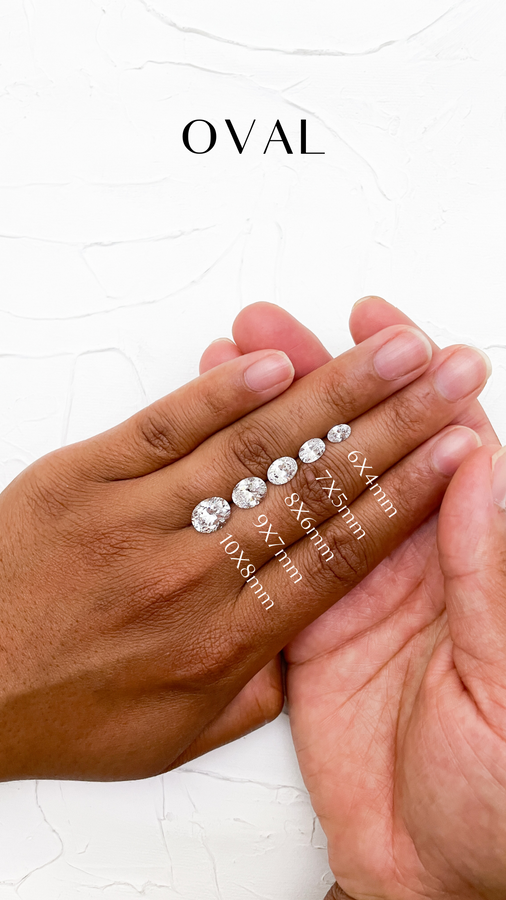
Modern couples enjoy more center stone variety than ever before. While mined diamonds remain a timeless classic, lab-grown diamonds now account for roughly 15% of all engagement ring sales—a steep climb from just 2% a decade ago.
Lab-grown diamonds possess the exact same chemical, optical, and physical composition as natural diamonds. Created under advanced technological conditions simulating the earth's mantle, lab diamonds are 100% genuine crystallized carbon. Because their supply chain is shorter and more predictable, they offer exceptional value, often costing 60% to 80% less than mined diamonds of equivalent grade.
Natural diamonds carry deep romantic appeal due to their ancient geological origin, having formed billions of years ago under intense heat and pressure. For couples seeking non-traditional sparkle, colored sapphires, emeralds, and moissanite offer vibrant personality and distinct styling.
Evaluating Gemstone Durability and Ethical Sourcing
Daily wear demands durable stones. The Mohs Hardness Scale measures a mineral's resistance to scratching:
- Diamond (Natural & Lab-Grown): 10/10 Mohs hardness. The hardest known natural substance, ideal for everyday lifetime wear.
- Moissanite: 9.25/10 Mohs hardness. Exceptional durability and remarkable fire.
- Sapphire & Ruby (Corundum): 9/10 Mohs hardness. Tough, resistant to chipping, and available in almost every shade.
- Emerald (Beryl): 7.5–8/10 Mohs hardness. Requires protective bezel settings due to internal natural fissures.
Ethical sourcing is equally paramount. Responsible jewelers rely on conflict-free natural diamonds certified through the Kimberley Process and prioritize recycled precious metals like 100% recycled 14k gold and platinum to minimize environmental footprints.
Finding the Perfect Style and Customization Options
Selecting the right setting ensures the ring complements your partner's wardrobe, lifestyle, and aesthetic tastes. If you are unsure which engagement ring to choose, evaluating popular silhouettes helps narrow the field:
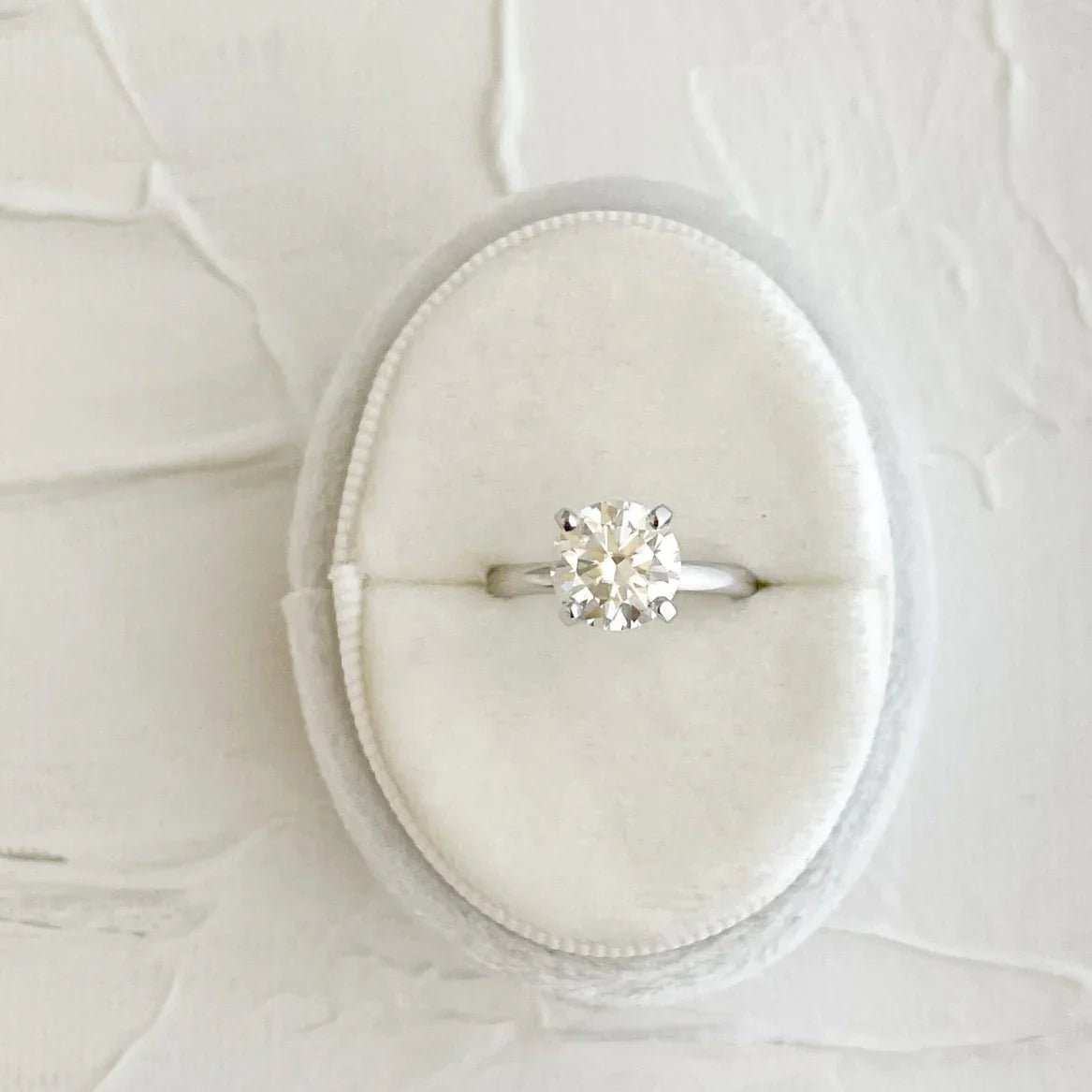
- Classic Solitaire: Highlights the center diamond on an unadorned metal band. Clean, timeless, and effortlessly elegant.
- Halo & Hidden Halo: Frames the center stone with a perimeter of micro-pavé diamonds, making the center gem appear visually larger while adding side-profile sparkle.
- Bezel Settings: Encases the gemstone with a continuous metal rim. Sleek, modern, and the most secure option for active lifestyles or healthcare workers.
- Three-Stone (Trilogy): Represents a relationship's past, present, and future, flanking the center stone with matching rounds, pears, or tapered baguettes.
Precious metals also influence the ring's overall tone. Warm 14k or 18k yellow gold offers vintage romance, rose gold brings modern warmth, while platinum and white gold provide a cool, mirror-like backdrop that enhances colorless diamonds.
For those wanting a completely one-of-a-kind design, utilizing our custom ring builder makes it simple to pair curated diamonds with bespoke bands, custom milgrain, and personalized gallery accents.
Benefits of Shopping for Engagement Rings Together
The traditional surprise proposal has evolved into a more collaborative journey. Research indicates that couples who adopt a collaborative approach to ring shopping are 30% more likely to feel thrilled with the final piece.
Browsing settings side-by-side removes guesswork regarding metal preferences, stone shapes, and finger coverage. You can explore how different diamond cuts flatter the hand in person while having open, practical discussions about shared budgets. If you still want to preserve an element of surprise, you can select the setting together while keeping the final stone selection, secret engraving, and proposal timing a romantic reveal.
Navigating the Buying Process: Timelines, Channels, and Protection
Creating an heirloom takes thoughtful planning. On average, couples spend roughly 3.5 months searching for the right ring, with 1 in 5 taking over six months from initial inspiration to proposal day.
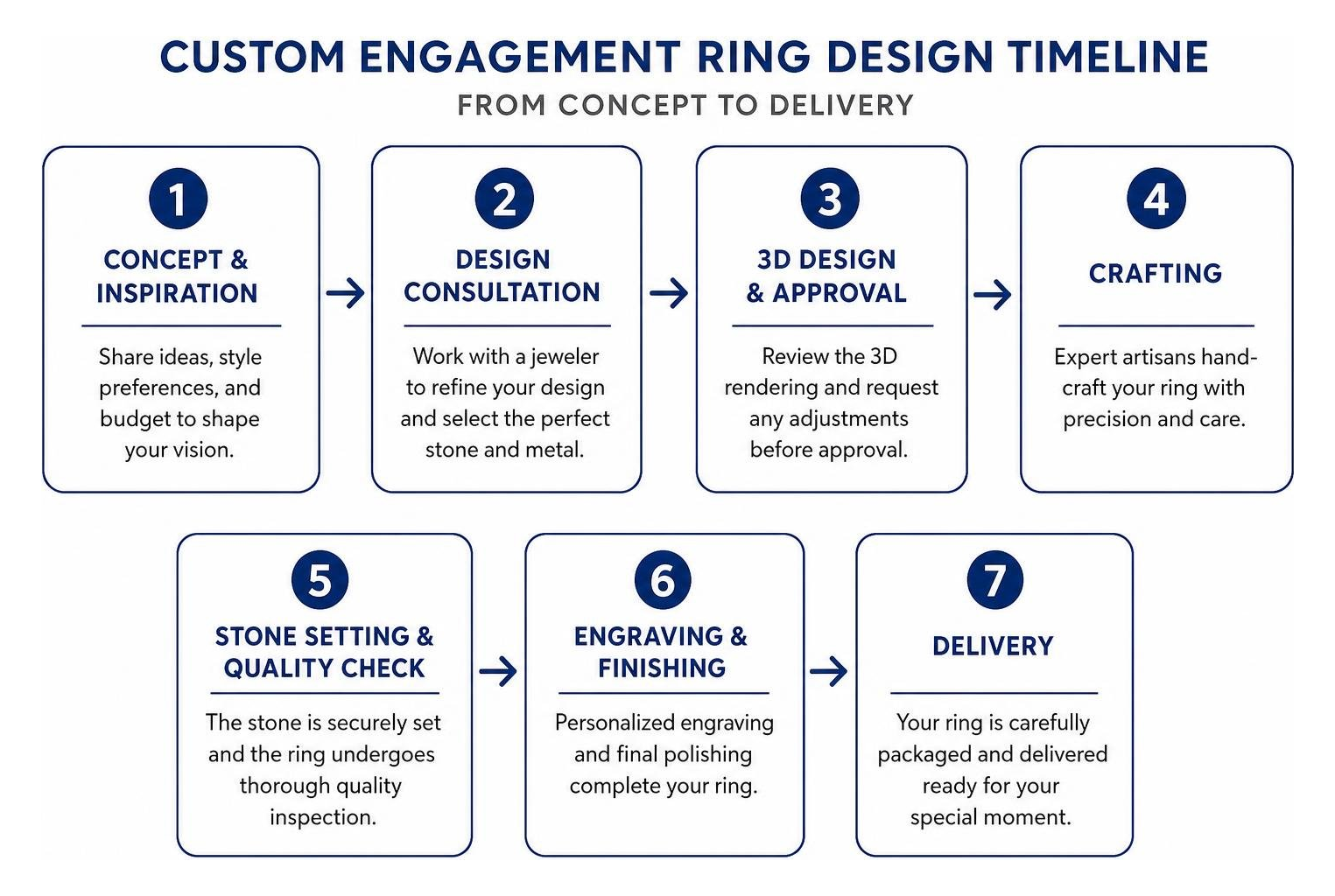
Because high-quality casting, precision stone setting, and laser engraving take anywhere from 3 to 6 weeks, beginning the consultation process at least two to three months before your planned proposal date ensures a stress-free experience without rush fees.
Online vs. In-Store: Where to Start Shopping for Engagement Rings
The modern jewelry market allows you to combine digital convenience with personalized physical service. Nearly 40% of shoppers use both digital channels and brick-and-mortar visits to make an educated purchase. Online engagement ring sales have expanded steadily, with 35% of couples finalizing transactions digitally.
When planning how to start shopping, reviewing online collections allows you to build mood boards and benchmark market pricing. However, diamonds look vastly different in studio lighting than they do on a flat screen.
Visiting local engagement ring stores in Utah provides tactile clarity. You can inspect stone proportions under magnification, feel the heft of platinum versus gold, and test physical model rings on your own hand. Check community recommendations for Ogden engagement rings to find trusted local artisans who prioritize long-term relationships over high-pressure sales pitches.
Avoiding Costly Mistakes and Protecting Your Investment
A fine piece of jewelry is both an emotional symbol and a substantial financial commitment. Avoid these common missteps:
- Skipping Independent Certification: Never buy a diamond without a grading report from an independent laboratory, such as GIA or IGI. These certificates verify natural or lab origin, exact carat weight, and precise color and clarity grades.
- Ignoring Ring Maintenance: Delicate prongs shift over time. Make sure your jeweler provides complimentary routine cleaning, stone tightening, and prong inspections.
- Overlooking Proper Insurance: Manufacturer warranties cover structural defects, but they do not cover accidental loss, mysterious disappearance, or theft. Secure a dedicated jewelry insurance policy through providers like Jewelers Mutual or your homeowner's policy rider as soon as you take possession.
Frequently Asked Questions About Engagement Ring Shopping
How far in advance should you purchase an engagement ring?
We recommend starting the process 2 to 3 months before your planned proposal date. Custom design work, diamond sourcing, 3D wax modeling, casting, setting, and final polishing typically require 3 to 6 weeks. Having an extra few weeks provides a comfortable buffer for minor sizing adjustments.
What are the most popular engagement ring styles and diamond shapes?
Round brilliant and oval-cut diamonds remain the most sought-after center stones thanks to their superior brilliance and flattering elongated silhouettes. In settings, minimal four-prong solitaires, delicate hidden halos, and rich yellow gold bands continue to dominate contemporary bridal trends.
What is the difference between an engagement ring warranty and insurance?
A jeweler's warranty covers craftsmanship defects, loose stones, basic sizing adjustments, and routine maintenance like ultrasonic cleaning and rhodium plating. Engagement ring insurance covers unexpected everyday catastrophes, including accidental loss, theft, severe physical damage, and travel loss.
Conclusion
Finding the ideal ring should be an exciting celebration, not a high-stress chore. By setting a realistic budget, understanding how the 4 Cs influence price and beauty, and choosing center stones and metals that match your partner's everyday lifestyle, you can create a ring that will be cherished for decades.
At White Diamonds, we believe in a warm, relaxed, and pressure-free approach to jewelry design. Our Utah team works closely with you to curate loose diamonds, showcase custom physical ring models, and craft personalized heirlooms within your exact timeline and budget. For more expert advice and styling tips, explore our engagement ring shopping guide and begin designing a timeless symbol of your story today.