The Ultimate Guide to Custom Rings: Compare Top Options
Custom Rings Let You Create a Meaningful Ring Within Your Budget
Custom rings are made around your choices: metal, gemstone, setting, fit, and personal details such as an engraving. Start by setting a comfortable budget, choose a style that suits daily wear, and work with a jeweler who can show you a design or 3D model before production begins.
For an engagement ring or wedding band, the best custom option is not always the most complex one. A durable metal, a securely set stone, and accurate sizing often matter more than extra details. Custom work can cost more than a ready-made ring because of design labor and tailored materials, but it gives you greater control over where your money goes.
We are White Diamonds, personal jewelers who craft custom rings and wedding bands and provide ring-cleaning services. In this guide, we will help you compare materials, design choices, pricing, timelines, fit, care, and long-term value before you commit.
As of September 2026, the custom jewelry market is expanding rapidly, projected to grow at a compound annual growth rate (CAGR) of 8.5% through 2030. Today, over 60% of consumers prefer personalized jewelry for milestone moments like weddings and anniversaries, and approximately 30% of all engagement rings purchased are uniquely tailored designs. Online custom jewelry ordering has also jumped by 40% in recent years, proving that couples increasingly value pieces that tell a distinctive story rather than choosing identical designs off a display shelf.
Comprehensive Guide to Designing Custom Rings: Step-by-Step Workflow
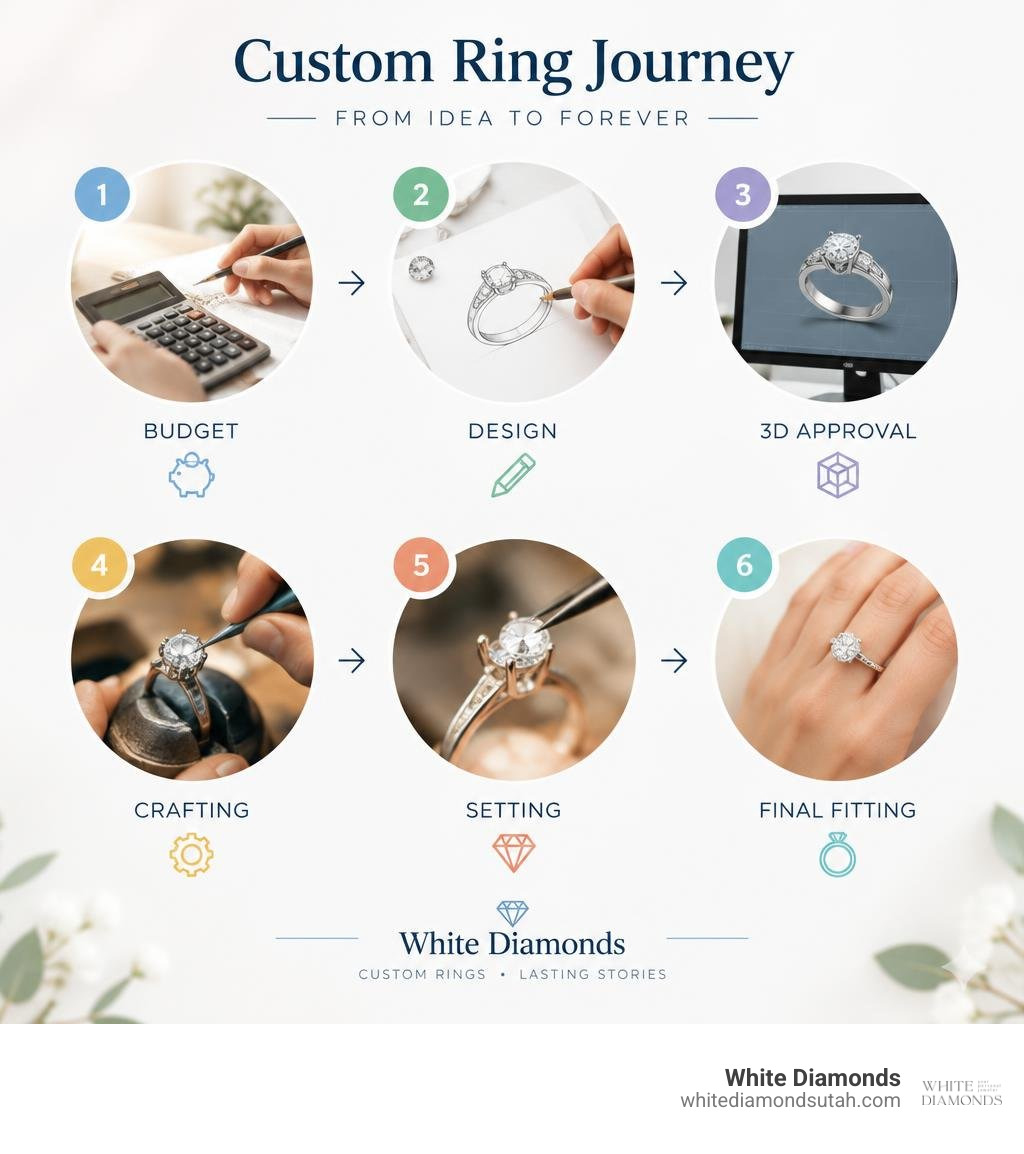
Designing a bespoke ring is an exciting, collaborative journey. Rather than settling for mass-produced inventory, you partner directly with our master jewelers to turn your ideas into a lasting heirloom.
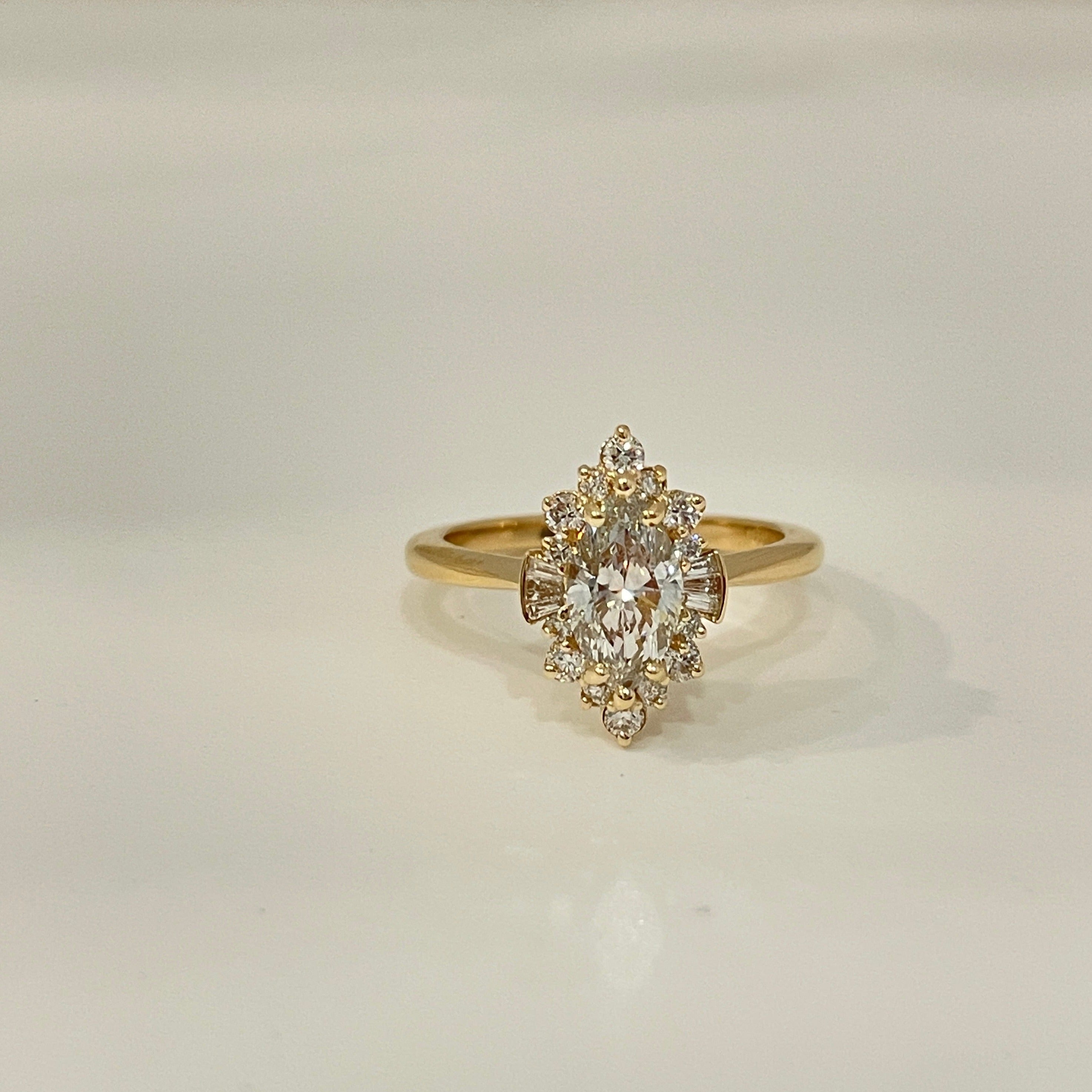
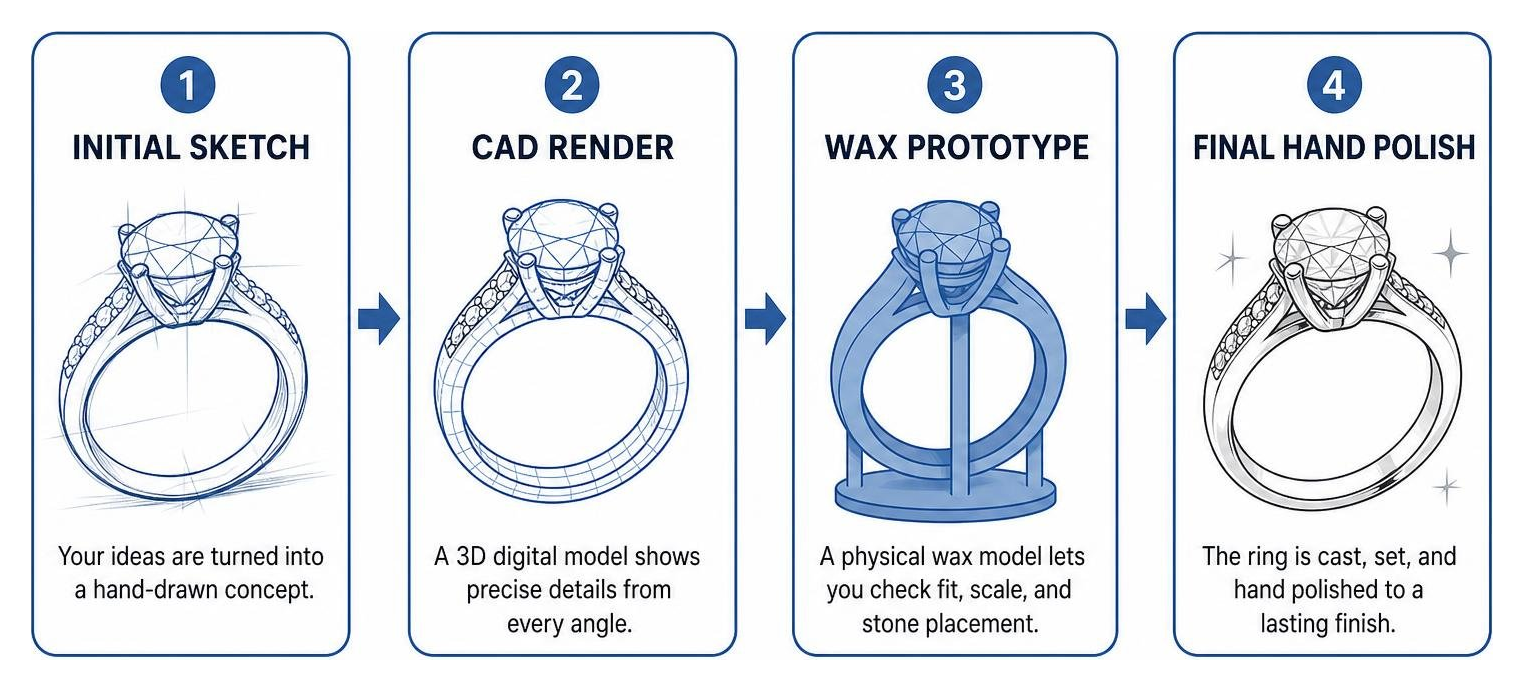
The journey begins with an initial consultation. During this pressure-free session, we discuss your design inspirations, lifestyle requirements, preferred metal, stone choices, and target budget. Whether you arrive with sketches, mood boards, or simply a collection of saved photos, we translate those ideas into initial concept sketches.
For those who want to experiment with styles before meeting, utilizing our interactive ring builder makes it easy to visualize setting styles and center stone pairings. Exploring bespoke jewellery design early on allows you to identify distinctive elements—such as hidden halos, split shanks, or vintage milgrain detailing—that reflect your personal aesthetic.
The Design and 3D Modeling Phase
Once the initial sketch is refined, we move into the digital modeling stage using advanced Computer-Aided Design (CAD) software. This technology produces photorealistic renders from multiple angles, allowing you to see precise proportions, stone placement, and profile heights.
Next, we print a physical wax or resin model. Holding this 3D prototype in your hands allows you to test the scale, check knuckle clearance, and verify how the stones sit against your finger. We perform rigorous structural integrity checks during this phase, adjusting prong thickness and band support before moving to metal casting.
Casting, Gemstone Setting, and Engraving Options
After you approve the 3D prototype, we begin the physical fabrication using the centuries-old lost-wax casting method:
- Investment Molding: The resin prototype is encased in a plaster investment mold.
- Burnout and Pouring: The mold is heated in a kiln to burn out the resin, leaving a negative cavity that is filled with molten gold or platinum.
- Mounting and Setting: Our stone setters carefully secure your diamonds or colored gems using prongs, bezels, channel mounts, or pavé settings.
- Personalized Engraving: We can apply laser-engraved dates, coordinates, or secret messages along the inner shank.
- Final Finishing: The piece receives a multistage hand polish and rhodium plating (for white gold) to produce an enduring, mirror-like luster.
Choosing Metals, Gemstones, and Sizing for Optimal Durability
Selecting the right materials balances aesthetic appeal with day-to-day resilience. A ring worn every day needs metals and gemstones that can withstand accidental bumps, handwashing, and surface friction.
| Precious Metal | Composition & Karatage | Durability Level | Maintenance Needs | Best Suited For |
|---|---|---|---|---|
| Platinum | 90–95% pure platinum | Extremely High (Dense, develops patina) | Occasional buffing; never needs plating | Active lifestyles, sensitive skin |
| 14k White Gold | 58.3% gold + alloy metals | High (Harder than 18k) | Rhodium re-plating every 12–24 months | Cool-toned preference, budget-conscious durability |
| 18k White Gold | 75% gold + alloy metals | Moderate to High | Rhodium re-plating every 12–18 months | Rich color, higher precious metal content |
| 14k Yellow Gold | 58.3% gold + copper/silver | High (Durable daily wear) | Periodic professional cleaning & polishing | Classic warm tone, minimal upkeep |
| 18k Yellow Gold | 75% gold + copper/silver | Moderate (Prone to soft scratches) | Gentle polishing to protect metal volume | Traditional luxury, vibrant golden hue |
| 14k Rose Gold | 58.3% gold + copper alloy | Very High (Copper adds strength) | Minimal; polish as needed | Modern vintage style, highly durable |
Gemstone durability is measured using the Mohs hardness scale. Diamonds rate at a maximum of 10, making them exceptionally resistant to scratching and ideal for lifetime daily wear. Sapphires and rubies (corundum) rate at 9, serving as excellent, durable alternatives. Softer gemstones such as emeralds (7.5–8, prone to inclusions) or opals (5.5–6.5) require protective bezel settings and gentler handling.
Precious Metals Comparison and Durability
Platinum is naturally hypoallergenic, dense, and holds stones firmly over decades. When scratched, platinum displaces rather than loses metal volume, creating a soft satin patina. In contrast, yellow and rose gold alloys gain their strength from copper, silver, or zinc additions.
White gold requires rhodium plating to achieve its bright white finish, which wears away naturally over time and requires periodic maintenance. Choosing between 14k and 18k gold balances metal purity against scratch resistance; 14k contains more alloy metal, making it slightly harder and more scratch-resistant for active hands.
Accurate Sizing, Structural Fit, and Resizing Practicalities
A proper fit ensures your ring slides smoothly over the knuckle while resting comfortably at the base of your finger without spinning. Fingers fluctuate with temperature, humidity, diet, and physical activity. We recommend taking sizing measurements at room temperature toward the end of the day using standard metal sizing mandrels.
- Standard Solitaires and Simple Bands: Easily resized up or down by two to three sizes via laser cutting and soldering.
- Partial Pavé Bands: Can be adjusted within a limited range (usually 1 size) without distorting the side-stone prong geometry.
- Full Eternity Bands: Feature continuous gemstones around the circumference and cannot be traditionally resized. These require precision planning from the initial CAD phase.
- Wide Bands: Fit tighter than narrow bands; we typically recommend sizing up by a quarter to a half size for wider profiles.
Pricing, Timeline, and Value: What to Expect
Custom jewelry typically costs 20% to 50% more than mass-produced retail pieces. This difference reflects personalized CAD design work, individual wax printing, hand-finishing, and custom gemstone sourcing. However, choosing custom gives you total transparency over how your budget is spent.
Working directly with our team ensures your investment goes into certified center stones and solid metal rather than corporate retail markups.
Cost Factors for Custom Rings vs. Ready-Made
Several practical components influence the final price of a custom build:
- Gemstone Sourcing: Center stones represent 60% to 80% of total ring cost. Choosing lab-grown versus natural diamonds, or adjusting clarity and color grades, directly tailors the price.
- Precious Metal Weight: Platinum is denser and priced higher per gram than gold. Intricate, heavy bands require more raw material.
- Design Complexity: Multi-row pavé settings, filigree, milgrain edging, and complex halo assemblies require additional bench jeweler labor.
- CAD & Casting Fees: One-of-a-kind production involves dedicated 3D modeling and custom mold creation that cannot be amortized across thousands of identical units.
Production Timelines and Turnaround Expectations
Crafting a personalized ring from scratch requires careful execution. Our standard production timeline ranges from 4 to 8 weeks, broken down into the following milestones:
- Week 1: Initial consultation, stone selection, and concept sketching.
- Weeks 2–3: Digital 3D CAD modeling and rendering revisions.
- Week 4: Wax prototype printing and client physical try-on approval.
- Weeks 5–6: Lost-wax casting, prong clean-up, and metal assembly.
- Weeks 7–8: Hand-setting center and accent stones, custom engraving, final polishing, quality inspections, and independent appraisal documentation.
Rush timelines are possible depending on gemstone availability and design complexity, but planning ahead ensures an enjoyable, unhurried design experience.
Maintaining Longevity and Value Over Time
Fine jewelry is built to last for generations when cared for properly. Pairing routine at-home cleaning with scheduled in-store checkups prevents lost stones, repairs worn prongs, and protects your investment.
Couples searching for custom engagement rings in Utah receive ongoing care support at our studio to keep their rings looking brand new year after year.
Essential Care Tips for Custom Rings
- Gentle Soaking: Soak your ring weekly in warm water mixed with a few drops of mild dish soap for 15 minutes.
- Soft Brushing: Use an extra-soft baby toothbrush to gently clear built-up oils and lotions from beneath the stone basket and around the prongs.
- Rinse and Dry: Rinse thoroughly in clean, warm water (close the sink drain first!) and pat dry with a lint-free microfiber cloth.
- Avoid Harsh Chemicals: Remove your ring before swimming in chlorinated pools, using hot tubs, or handling household bleach and cleaning solutions.
- Ultrasonic Precautions: Avoid consumer ultrasonic cleaners for treated diamonds, emeralds, opals, or micro-pavé settings, as rapid vibrations can loosen small accent stones.
Warranties, Guarantees, and Resale Considerations
We stand behind our craftsmanship with comprehensive manufacturing warranties covering structural integrity and assembly defects. We also provide official grading certificates (such as GIA or IGI) alongside retail replacement appraisals for your insurance provider.
Understanding jewelry resale value requires realistic expectations. While custom rings retain inherent value through their precious metal content and certified center stones, secondary-market buyers rarely pay for historical design labor. Custom pieces carry profound sentimental value as bespoke family heirlooms, making personalized craftsmanship an emotional and artistic investment rather than a liquid financial asset.
Frequently Asked Questions About Bespoke Jewelry
How far in advance should the design process begin?
We recommend starting the design process 8 to 12 weeks before your planned proposal or wedding date. This timeline gives you plenty of room for CAD adjustments, gemstone sourcing, wax approvals, and fine bench work without rush fees—especially ahead of peak holiday and autumn proposal seasons.
Can heirloom stones and vintage metals be repurposed?
Yes. Repurposing family heirlooms is a wonderful way to honor family history. We safely unmount your vintage diamonds or colored gemstones, evaluate their condition, and integrate them into a modern setting. While old gold alloys can be refined or credited toward your new mounting, we generally cast new bands with fresh alloy blends to ensure structural stability and eliminate microscopic casting porosity.
What common mistakes should be avoided during customization?
The most common mistakes include:
- Over-complicating the design: Cramming too many conflicting elements into a single piece can make the ring look cluttered and weaken structural joints.
- Ignoring daily ring height: Ultra-high prong settings catch easily on clothing and hair during everyday activities.
- Skipping physical wax try-ons: Approving CAD renders solely on a flat computer screen without trying on a 3D prototype can lead to proportion surprises.
- Guessing finger sizes: Using unreliable string tests instead of professional metal sizing mandrels leads to preventable resizing delays.
Conclusion
A custom ring transforms personal style, shared memories, and fine craftsmanship into an enduring work of art. By selecting durable metals, choosing certified gemstones, and working through a transparent 3D modeling workflow, you ensure your ring provides a lifetime of daily beauty and comfort.
Ready to bring your vision to life? Contact White Diamonds to schedule your relaxed, one-on-one consultation, explore our physical model rings, and begin your custom ring design process within your ideal timeline and budget.