
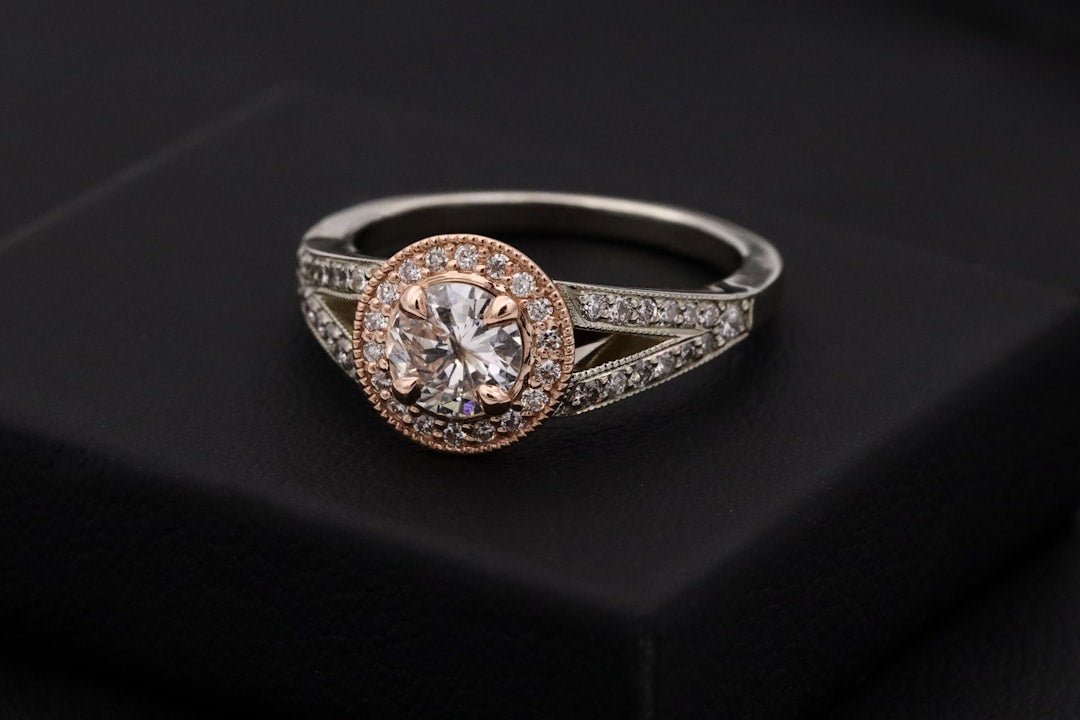
The Ultimate Guide to Bespoke Jewellery Design
What Is Bespoke Jewellery Design (And Why It Matters)
Bespoke jewellery design is the process of creating a completely custom piece — built around your story, style, and budget — from scratch.
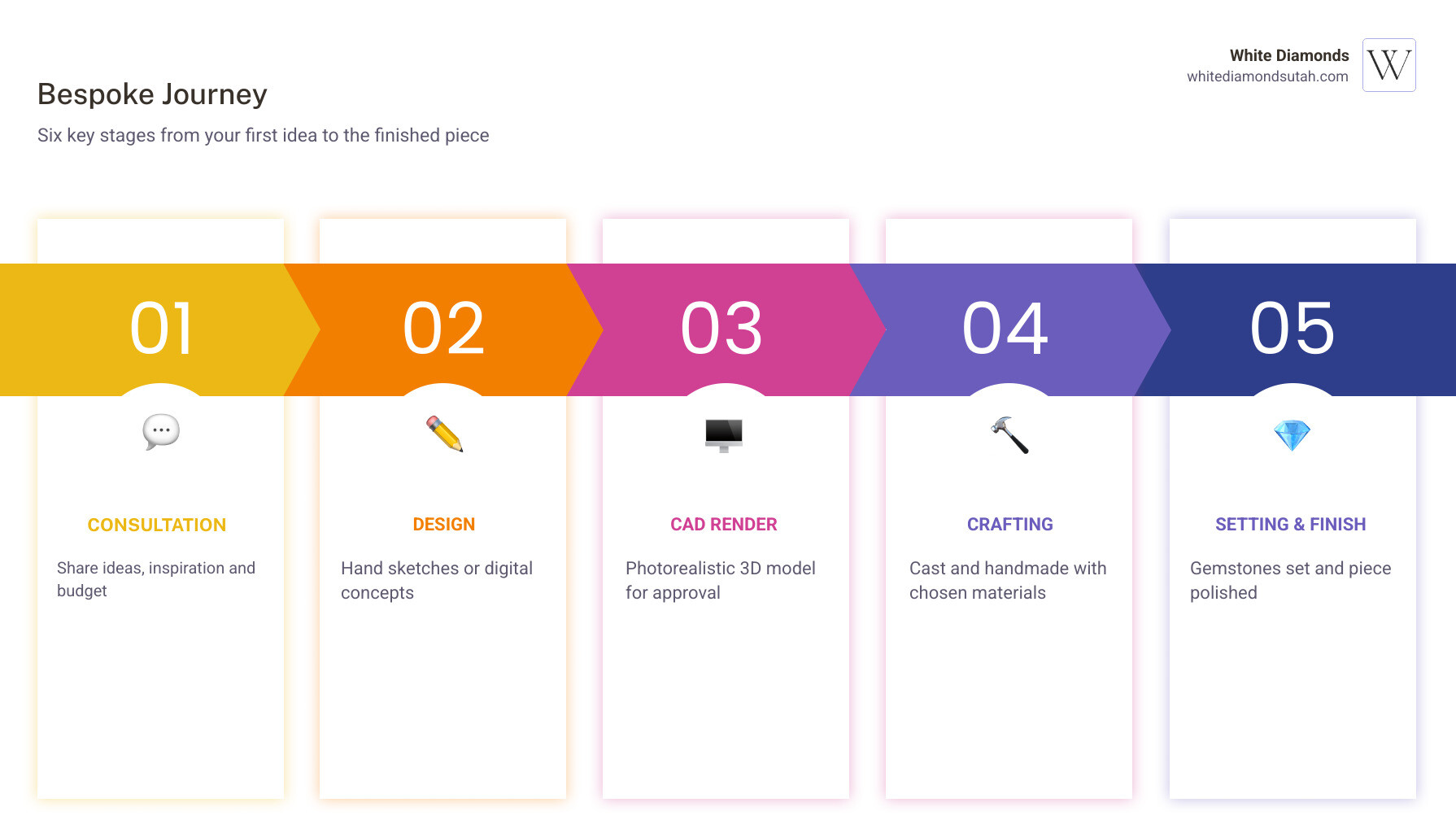
Here's a quick overview of what it involves:
| Stage | What Happens |
|---|---|
| 1. Consultation | You share your ideas, inspiration, and budget |
| 2. Design | A designer creates hand sketches or digital concepts |
| 3. CAD Rendering | A photorealistic 3D model is produced for your approval |
| 4. Crafting | Your piece is cast and handmade using your chosen materials |
| 5. Setting & Finishing | Gemstones are set and the piece is polished |
| 6. Delivery | Your one-of-a-kind piece is hallmarked and handed to you |
The key difference from ready-made jewellery? Nothing is pre-made. Every choice — metal, stone, shape, meaning — is yours.
The whole process typically takes 6 to 12 weeks, and you don't need any design experience to get started.
Whether you're dreaming of a custom engagement ring, want to transform a family heirloom, or simply want something no one else will ever own, bespoke is worth understanding before you buy.
At White Diamonds, we specialize in crafting custom rings and wedding bands for couples and individuals who want a personal, pressure-free design experience. Our hands-on approach to bespoke jewellery design means you're guided every step of the way — no overwhelm, no rushed decisions.
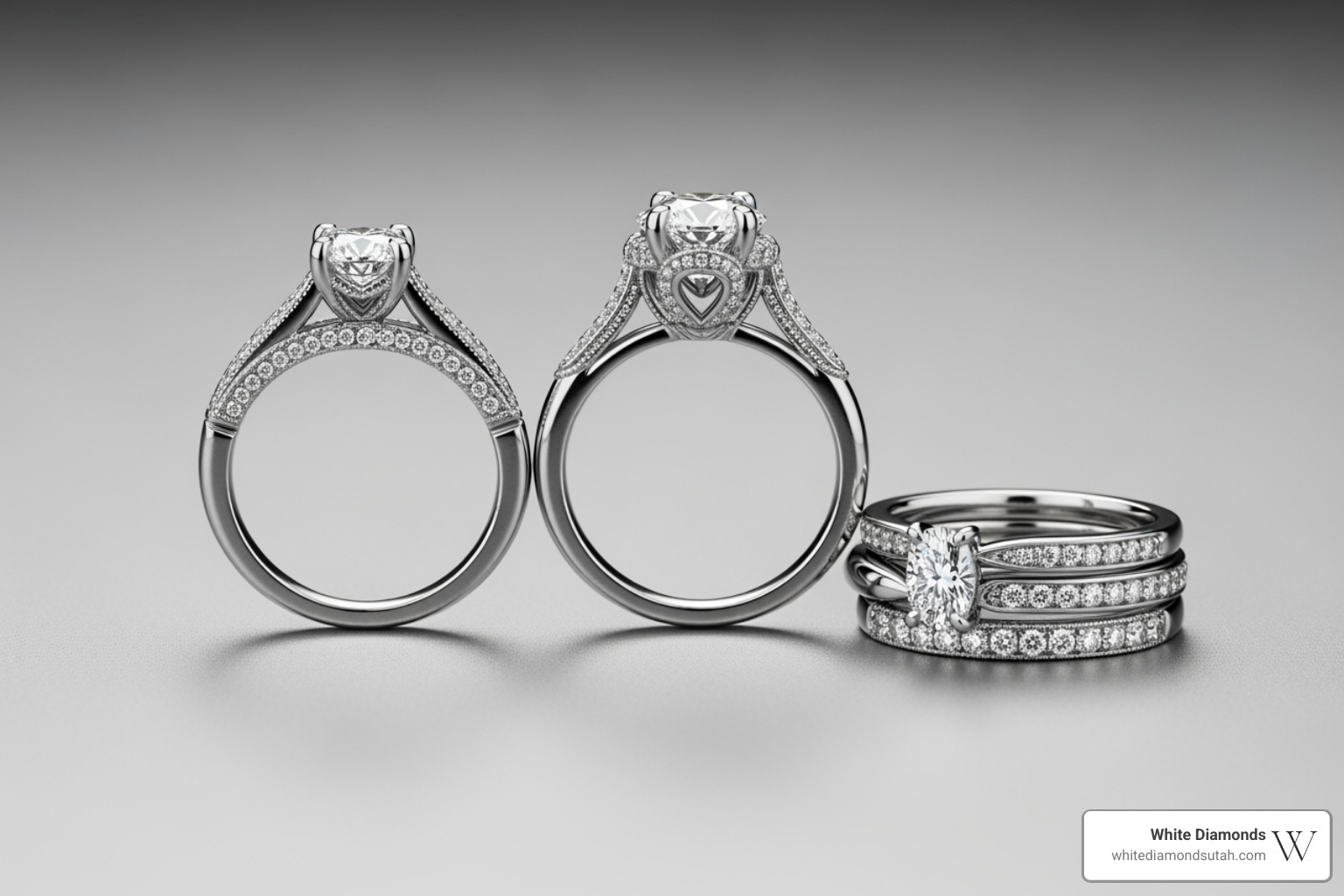
Understanding Bespoke Jewellery Design vs. Ready-Made
Ready-made jewellery is designed first and sold to many people. Bespoke jewellery is the opposite: we start with you.
That difference affects almost everything:
- Fit
- Style
- Stone choice
- Metal choice
- Budget flexibility
- Symbolism
- Long-term satisfaction
With mass-produced jewellery, you usually choose from what already exists in a display case. You may love it, but you are still selecting from pre-set options. With bespoke jewellery design, we build the piece around your preferences from day one.
Here is the simplest comparison:
| Ready-Made Jewellery | Bespoke Jewellery Design |
|---|---|
| Pre-designed | Created from scratch |
| Repeated styles | One-of-a-kind result |
| Limited changes | Highly customizable |
| Fixed materials | Flexible metal and stone options |
| Faster to buy | More time to create |
| General appeal | Personal meaning |
That personal meaning is often the real reason people choose bespoke. A custom ring can reflect a relationship, a family story, a milestone, or an heirloom you want to preserve. It can also solve practical issues that ready-made pieces do not always solve well, such as:
- Creating a ring around an inherited diamond
- Designing a lower-profile setting for everyday wear
- Matching a wedding band to an existing engagement ring
- Accommodating finger shape, sizing needs, or lifestyle
- Combining classic style with modern details
Bespoke also tends to feel more collaborative. Instead of trying to squeeze your taste into a standard product, we help shape a design that feels like yours. If you are still narrowing down your style, our guide on which engagement ring should I get is a helpful starting point, and our guide to buying diamond engagement rings in Utah explains local buying considerations in more detail.
In May 2026, some of the biggest bespoke trends are still deeply personal ones: heirloom redesigns, mixed metal details, low-profile settings, lab-grown diamond options, and designs that balance sparkle with everyday comfort. In other words, less "look at me," more "this is so us."
The Step-by-Step Bespoke Jewellery Design Process
A good bespoke process should feel clear, collaborative, and surprisingly enjoyable. Ours is designed to remove guesswork while still leaving plenty of room for creativity.
If you want a deeper look at ring-specific steps, see our Custom Ring Design Process and Custom Ring Consultation Free.
Initial Consultation and Bespoke Jewellery Design Concepts
This is where the story starts.
During the initial consultation, we talk through what you want, what you like, and what matters most. You do not need a polished vision or a Pinterest board with 147 saved images. If all you know is "I want something timeless, but not boring," that is enough for us to work with.
We usually cover:
- The type of piece you want
- Your preferred style: classic, modern, vintage-inspired, minimalist, bold, and so on
- Metal preferences such as platinum, yellow gold, white gold, or rose gold
- Stone preferences, including shape, size, and whether you prefer natural or lab-grown
- Daily wear habits and lifestyle
- Target budget
- Timeline and occasion date
- Any family stones, heirlooms, or sentimental ideas you want to incorporate
This stage often includes storytelling. Some clients bring an heirloom. Others bring screenshots, magazine clippings, or photos of settings they like. Some bring a partner's jewelry box detective work. We support all levels of preparedness.
From there, we start translating ideas into concepts. That may include:
- Hand sketches
- Style references
- Inspiration boards
- Stone comparisons
- Model rings to try on
- Early discussion of proportions and comfort
Our pressure-free approach matters here. Bespoke should not feel intimidating or overly technical. Our job is to guide, simplify, and help you make smart design choices that fit both your vision and your budget.
Crafting and Hallmarking Your Bespoke Jewellery Design
Once the concept is approved, the design moves into technical development.
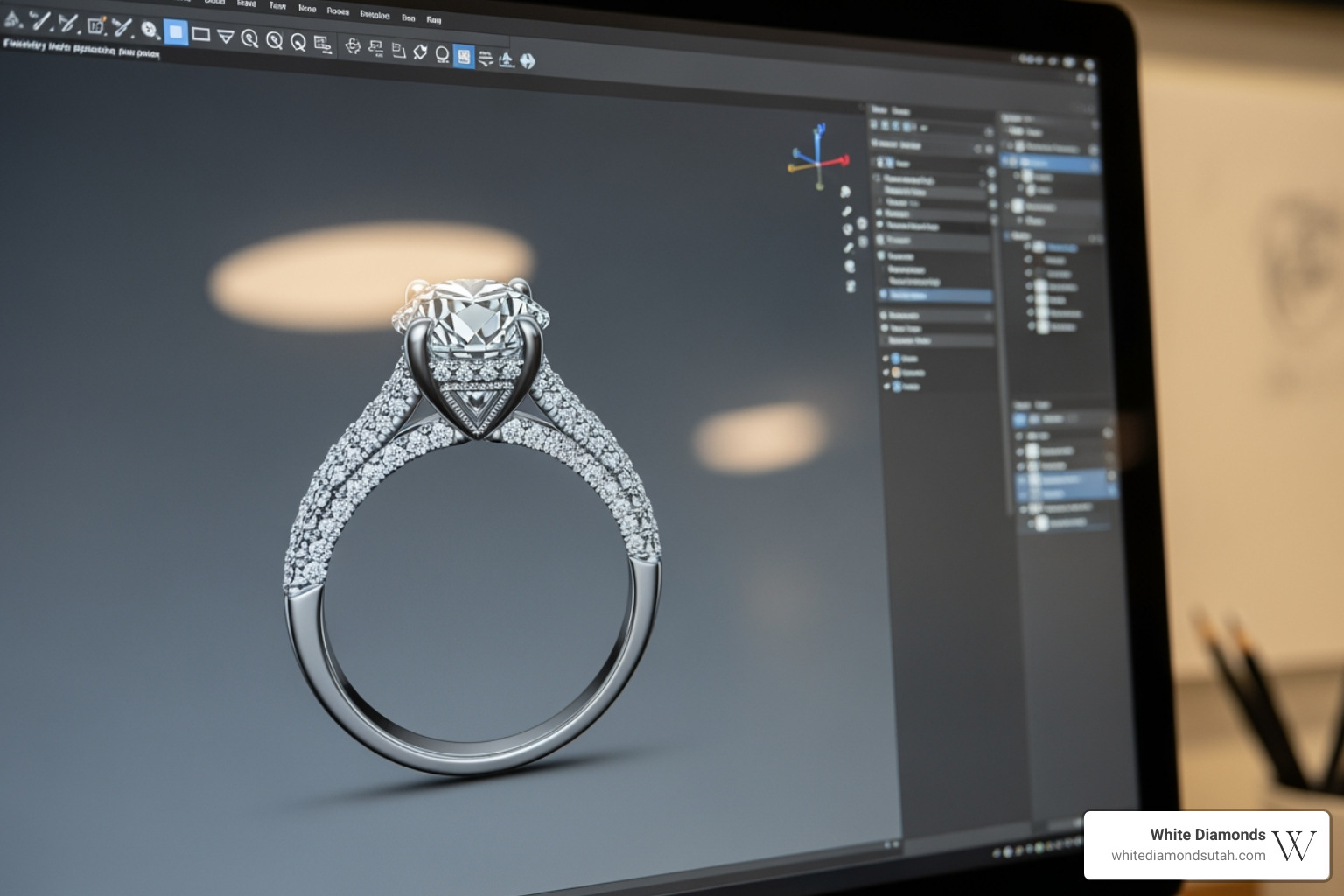
This usually begins with CAD, or computer-aided design. A CAD rendering creates a photorealistic 3D version of the piece so you can review proportions, setting details, and overall balance before anything is cast. In some cases, a wax or resin model may also be produced so you can better understand size and fit.
From there, the piece enters production. Depending on the design, this may include:
- Creating the final CAD file
- Producing a wax model or 3D print
- Casting the piece in the chosen metal
- Refining the structure by hand
- Setting the stones
- Polishing and finishing
- Quality checks
- Final delivery
Traditional craftsmanship still plays a huge role. Even with modern CAD and 3D printing, custom jewellery is not just "printed and done." Stone setting, finishing, shaping, and fine detailing still rely on skilled bench work.
Common production techniques include:
- Lost-wax casting
- Hand assembly and soldering
- Microscope-assisted stone setting
- Hand polishing
- Engraving
- Final inspection for wearability and finish quality
Hallmarking standards depend on the metal and where a piece is made and sold. In the U.S., fine jewellery may not follow the same hallmarking system used in some other countries, but metal purity, accurate material disclosure, and quality control still matter. At White Diamonds, we focus on clear communication about materials, craftsmanship, and the final finish so you know exactly what you are receiving.
Materials, Heirlooms, and Ethical Sourcing
The materials you choose shape the look, feel, durability, and price of your jewellery.
The most common metals in bespoke work are:
- Platinum
- 14k gold
- 18k gold
- White gold
- Yellow gold
- Rose gold
Each has pros and cons.
Metals
Platinum
- Durable and naturally white
- Excellent for securing diamonds
- Heavier and typically more expensive
White gold
- Popular for engagement rings
- Bright, silvery appearance
- Usually lower cost than platinum
Yellow gold
- Warm and classic
- Great for vintage-inspired or timeless designs
- Complements many skin tones beautifully
Rose gold
- Romantic and distinctive
- Works well in soft or modern designs
- Offers a warmer look than white metals
If you are comparing setting styles too, our guide on how to choose a diamond ring setting can help connect metal choice to overall design.
Gemstones
Bespoke jewellery often centers around the stone. Common choices include:
- Diamonds
- Sapphires
- Emeralds
- Rubies
- Morganite
- Aquamarine
- Spinel
- Opal, for certain lower-impact uses
Diamonds remain the most common center stone for engagement rings, but colored gemstones continue to grow in popularity for anniversaries, right-hand rings, and nontraditional bridal pieces. If you are new to diamond terminology, the Gemological Institute of America (GIA) is a widely known educational resource for understanding diamond quality, grading, and gemstone basics.
Lab-Grown vs. Natural
This is one of the biggest material conversations in 2026.
Natural diamonds
- Formed in the earth over billions of years
- Often chosen for rarity and natural origin
- Usually higher in price than lab-grown stones of similar specs
Lab-grown diamonds
- Physically and chemically real diamonds
- Often offer larger size or better specs at a lower price
- Appeal to many clients for budget and sourcing reasons
Neither option is automatically "better" for everyone. The right choice depends on your priorities: budget, symbolism, origin, appearance, and overall design goals.
Heirloom stones and recycled materials
One of the most meaningful parts of bespoke jewellery design is the ability to redesign inherited pieces.
We can often assess whether an existing diamond, colored gemstone, or even precious metal may be suitable for reuse. This is a wonderful option when you want to preserve family history while creating something wearable and personal today.
Common heirloom redesign ideas include:
- Resetting a grandmother's diamond into a modern solitaire
- Turning unworn earrings into a pendant
- Combining family stones into one ring
- Recycling sentimental gold into a new wedding band
- Creating matching pieces for siblings from one original heirloom
Not every older piece can or should be reused exactly as-is. Stones may need inspection for chips or wear, and older metals are not always ideal for direct reuse without testing. But the emotional value can be enormous, and when the materials are viable, the result often becomes a future heirloom all over again.
Ethical sourcing and sustainability
Modern clients are asking better questions, and that is a good thing.
Important sourcing topics include:
- Recycled precious metals
- Responsibly sourced natural stones
- Lab-grown diamond options
- Transparent disclosure of treatments and origins where available
- Thoughtful production that avoids unnecessary waste
Ethical sourcing is not a single label that solves everything. It is a series of choices: where stones come from, how metals are sourced, how openly materials are described, and whether the finished piece is made to last for decades rather than seasons.
Cost Considerations and Project Timelines
Two of the biggest bespoke questions are simple:
- How much will it cost?
- How long will it take?
Fair questions. Sparkly questions, but still very practical ones.
What affects cost?
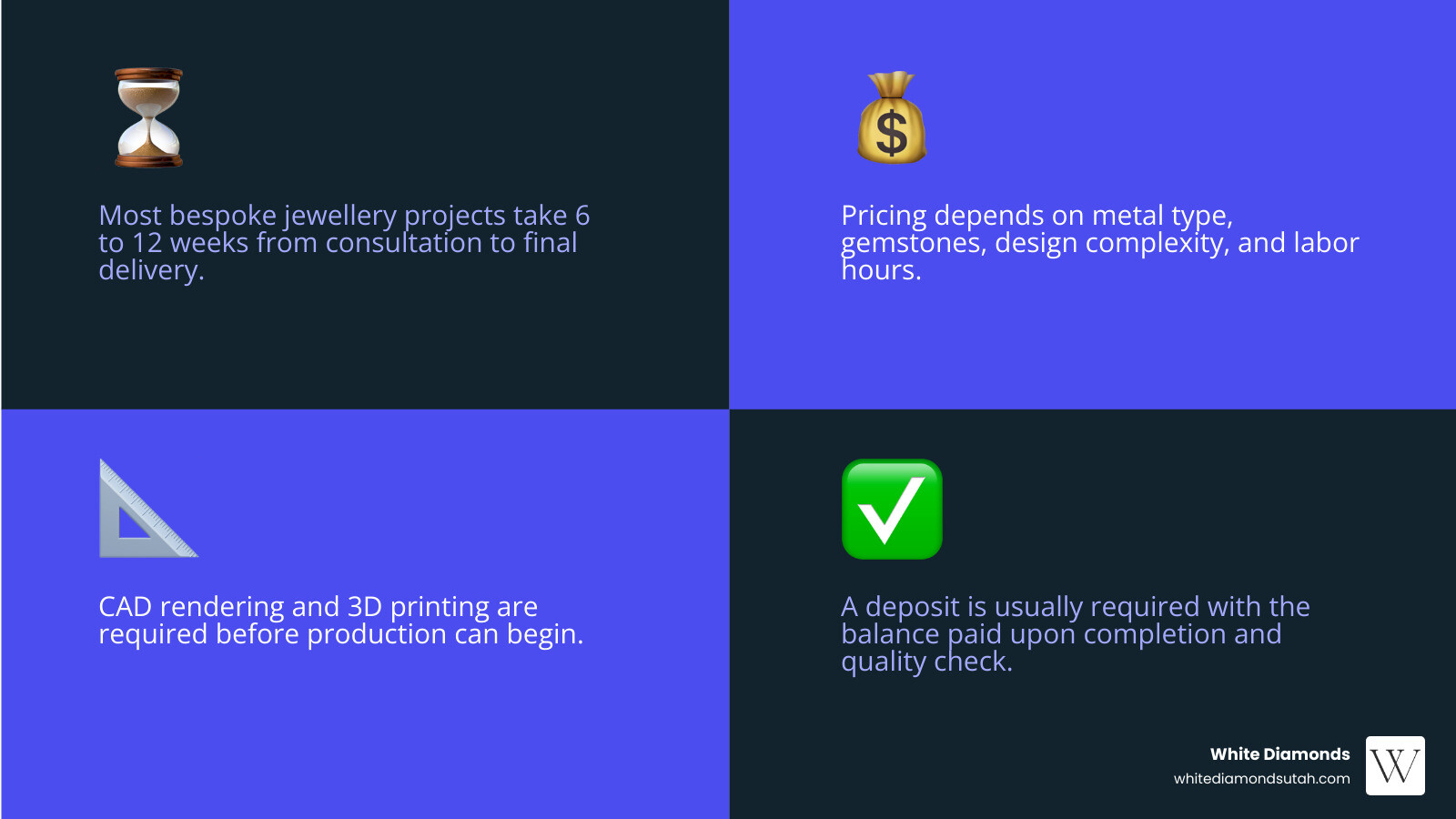
Bespoke jewellery pricing is usually based on four main factors:
- Metal choice
- Gemstone choice
- Design complexity
- Labor and production time
A simple solitaire in 14k gold with a lab-grown diamond may cost far less than a platinum ring with intricate hidden details, pavé accents, and a large natural center stone.
Other possible cost elements can include:
- CAD development
- Wax or model production
- Specialty setting work
- Engraving
- Matching bands
- Rush timelines
- Sourcing rare or specific gemstones
Some jewellers separate design or CAD fees, while others fold those costs into the final quote. Deposit structures are also common, especially once a design is approved and custom production begins.
If you are planning around a target number, start there. A good bespoke process should be budget-aware, not budget-awkward. We believe your design should be shaped around what matters most to you, rather than pushing you into upgrades you never asked for. For budgeting help, read How Much to Spend on an Engagement Ring.
Typical timeline
Research across the industry consistently shows that a bespoke piece often takes about 6 to 12 weeks from consultation to completion. Some simpler custom projects can move faster, while highly detailed designs or unusual stone sourcing can take longer.
Here is a practical timeline guide:
| Project Stage | Typical Time |
|---|---|
| Initial consultation and concepting | 1-2 weeks |
| Design approval and CAD | 1-2 weeks |
| Stone sourcing, if needed | 1-3 weeks |
| Production and stone setting | 2-5 weeks |
| Final finishing and delivery | 1 week |
What can make a project take longer?
- Complex design details
- Custom-cut or hard-to-source gemstones
- Revisions after CAD approval
- Heirloom assessment or redesign work
- Holiday demand
- Matching multiple pieces at once
If you need a ring for a proposal, wedding, or anniversary, the smartest move is to start early. Bespoke and "last-minute masterpiece" are not always best friends.
Preparing for Your Consultation and Aftercare
Coming prepared helps, but perfection is not required.
Before your consultation, it helps to gather:
- Inspiration photos
- A rough budget range
- Ring size, if known
- Your preferred metal color
- Favorite stone shapes
- Any must-have or must-avoid details
- Existing jewellery or heirlooms you want us to review
- A target date for delivery
You can also think about lifestyle questions such as:
- Will this piece be worn every day?
- Do you work with your hands?
- Do you prefer low-maintenance jewellery?
- Do you want a bold look or a subtle one?
- Should the design match other jewellery you already wear?
If you are local, our Design Your Ring Ogden page explains more about getting started with a custom design experience in Ogden.
What should you bring?
For many clients, a consultation goes most smoothly when they bring a few examples of what they like and dislike. "I love this band thickness but not this halo" is incredibly useful feedback. So is "I want sparkle, but not something that catches on sweaters."
If you have heirloom stones or older pieces, bring those too. We can review whether they may be suitable for resetting or redesign.
Aftercare services
Bespoke does not end at delivery. Fine jewellery benefits from ongoing care, especially pieces worn daily like engagement rings.
Common aftercare services include:
- Professional cleaning
- Prong checks
- Polishing
- Rhodium refresh for white gold, if appropriate
- Resizing
- Stone security inspections
- Repair or restoration over time
- Future redesigns for anniversaries or upgrades
Some custom rings can be resized easily; others depend on the design. Eternity bands, intricate patterns, or tension-style settings may require a more specialized approach. That is one reason we discuss practicality during the design phase, not just looks.
A well-made bespoke piece should be built for real life, not just for one excellent lighting moment on social media.
Frequently Asked Questions about Custom Jewellery
How long does the bespoke process typically take?
For most projects, 6 to 12 weeks is a realistic expectation in May 2026. That timeline covers consultation, design development, approvals, sourcing, production, stone setting, and finishing.
Some projects can be completed faster, especially if the design is straightforward and materials are readily available. Others take longer if they involve multiple revisions, heirloom reworking, or unusual stones.
The best approach is to start the process as early as possible and communicate any important date up front.
Can I use my own family heirlooms in a new design?
Often, yes.
Many bespoke projects begin with inherited diamonds, colored gemstones, or sentimental gold. We first assess whether the stones and materials are structurally suitable for reuse. If they are, they can often be reset into a new ring, pendant, or pair of earrings.
This is one of the best ways to preserve sentimental value while creating something that suits your style now. It is also a meaningful way to transform jewellery sitting in a box into something worn and loved again.
Is bespoke jewellery more expensive than ready-made?
Sometimes yes, but not always in the way people assume.
Bespoke includes design time, customization, and skilled labor, so it can cost more than a comparable mass-produced piece. But it can also offer better value because you decide where the budget goes.
For example, you may choose:
- A simpler setting with a better center stone
- Lab-grown instead of natural to maximize size
- 14k gold instead of platinum
- A meaningful heirloom stone instead of buying new
- Clean, timeless design over extra decorative details
So the more accurate answer is this: bespoke is not automatically more expensive, but it is more intentional.
Conclusion
Bespoke jewellery design gives you something ready-made jewellery rarely can: a piece shaped around your story, your style, and your priorities from the very beginning.
At White Diamonds, we believe that process should feel exciting, clear, and pressure-free. Whether you are creating an engagement ring, redesigning an heirloom, or exploring ideas for a future piece, we guide you through each step with practical advice, model rings for customization, and a focus on staying within your budget and timeline.
If you are ready to start designing in Utah, explore our local Best Jewelers Ogden Guide 2026 and our ring-style resource on How to Choose a Diamond Ring Setting.
And if you want to see what custom can really look like, we would love to help you create something no display case could ever quite capture.
%0ABespoke%20jewellery%20design%20is%20the%20process%20of%20creating%20a%20completely%20custom%20piece%20%E2%80%94%20built%20around%20your%20story,%20style,%20and%20budget%20%E2%80%94%20from%20scratch.%0AHere...)