Can Diamonds Break?
Diamonds are often described as forever. They symbolize endurance, love, and permanence—yet many people still ask an important, thoughtful question:
Can diamonds break?
The honest answer is yes, diamonds can break—but understanding why requires looking deeper than surface-level myths. To truly appreciate a diamond’s durability, you need to understand how diamonds are formed, how they are structured, and how those physical properties influence both strength and beauty.
At White Diamonds, your personal jeweler in Ogden, Utah, we believe that education builds confidence. When you understand what makes a diamond strong—and what makes it vulnerable—you can choose and care for your jewelry wisely, ensuring it lasts for generations.
How Diamonds Are Formed: Nature’s Ultimate Compression
Diamonds form deep within the Earth, under extreme pressure and heat, typically more than 100 miles below the surface. Carbon atoms are compressed for millions to billions of years until they crystallize into the tightest atomic structure found in nature.
This process creates what makes diamonds exceptional:
-
Extraordinary hardness
-
Long-term structural stability
-
Optical properties that produce brilliance and fire

This atomic structure is the foundation of a diamond’s longevity.
Diamond Structure Explained: Hardness vs. Toughness
To understand breakage, it’s essential to distinguish between two physical properties:
Hardness
Hardness refers to resistance to scratching. Diamonds rank 10 on the Mohs scale, making them the hardest known natural substance.
This is why:
-
Diamonds don’t easily scratch
-
Everyday materials won’t wear them down
-
Facets stay crisp for decades
Toughness
Toughness refers to resistance to breaking or chipping.
While diamonds are extremely hard, they are not the toughest gemstone. Their internal crystal structure includes natural planes—called cleavage planes—along which a diamond can split if struck with enough force at the right angle.
So, Can Diamonds Break? The Scientific Answer
Yes—but not easily.
Diamonds can chip or fracture if:
-
Hit sharply against a hard surface
-
Struck at the wrong angle
-
Left unprotected by a worn or loose setting
This doesn’t mean diamonds are fragile. It means their precision-cut crystal structure, which gives them beauty and brilliance, also requires thoughtful protection.

How Diamond Structure Creates Brilliance and Light
The same internal structure that gives diamonds strength is also responsible for their beauty.
A diamond’s crystal lattice:
-
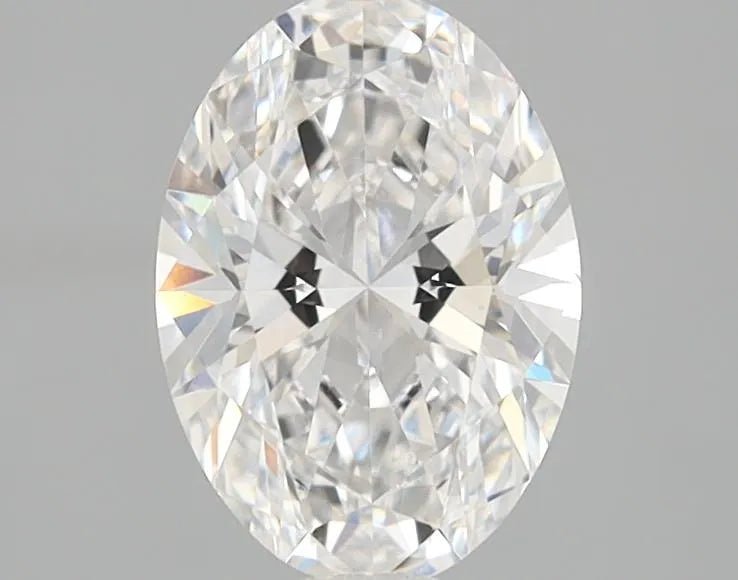
Allows light to enter and reflect internally
-
Creates brilliance (white light return)
-
Produces fire (rainbow flashes)
-
Enhances scintillation (sparkle as the stone moves)
When a diamond is expertly cut, its facets align perfectly with the internal structure, maximizing light performance without compromising durability.

Do Diamond Shapes Affect Breakage Risk?
Yes. Shape influences how force travels through the crystal structure.
Diamond Shapes and Structural Vulnerability
|
Shape |
Durability |
Why |
|
Round |
Excellent |
Even distribution, no points |
|
Cushion |
Very Good |
Rounded corners |
|
Oval |
Good |
Slightly tapered ends |
|
Emerald |
Moderate |
Long edges, step facets |
|
Princess |
Moderate–High |
Sharp corners |
|
Pear |
Higher Risk |
Single pointed tip |
|
Marquise |
Higher Risk |
Two pointed ends |

Natural vs. Lab-Grown Diamonds: Same Structure, Same Strength
Both natural and lab-grown diamonds share the same crystal structure and physical properties.
That means:
-
Same hardness
-
Same brilliance
-
Same cleavage planes
-
Same longevity
A lab-grown diamond does not break more easily than a natural diamond. The key factors remain cut quality, clarity, and setting design.
At White Diamonds, we guide you through both options to find the right diamond for your lifestyle and preferences.
Why Settings Matter More Than Most People Realize
A diamond’s longevity depends as much on its setting as on the stone itself.
Protective features include:
-
Secure prongs in excellent condition
-
V-prongs for pointed corners
-
Bezel settings for maximum protection
-
Low-profile designs for daily wear

How Diamonds Achieve Generational Longevity
Diamonds are uniquely suited for heirloom jewelry because:
-
Their surface resists wear
-
Their structure remains stable over time
-
Their brilliance can be restored with proper care
-
They can be reset and redesigned across generations
This is why diamonds chosen today often become the rings, pendants, and earrings passed down tomorrow.
Why White Diamonds Is Your Trusted Jewelry Partner
At White Diamonds, we are known as a personal, relationship-driven jeweler. We don’t just sell diamonds—we help you understand them.
We specialize in:
-
Natural and lab-grown diamonds
-
Engagement rings and wedding bands
-
Custom jewelry design
-
Inspections, repairs, and professional care
Before you buy anywhere else, check White Diamonds.
Visit Us
1638 N Washington Blvd Ste 202 North
Ogden, UT 84414
Phone: 801-782-3531
Email: sales@whitediamondsutah.com